Pink Onion, Dehydrated: Where It Sits Between White and Red
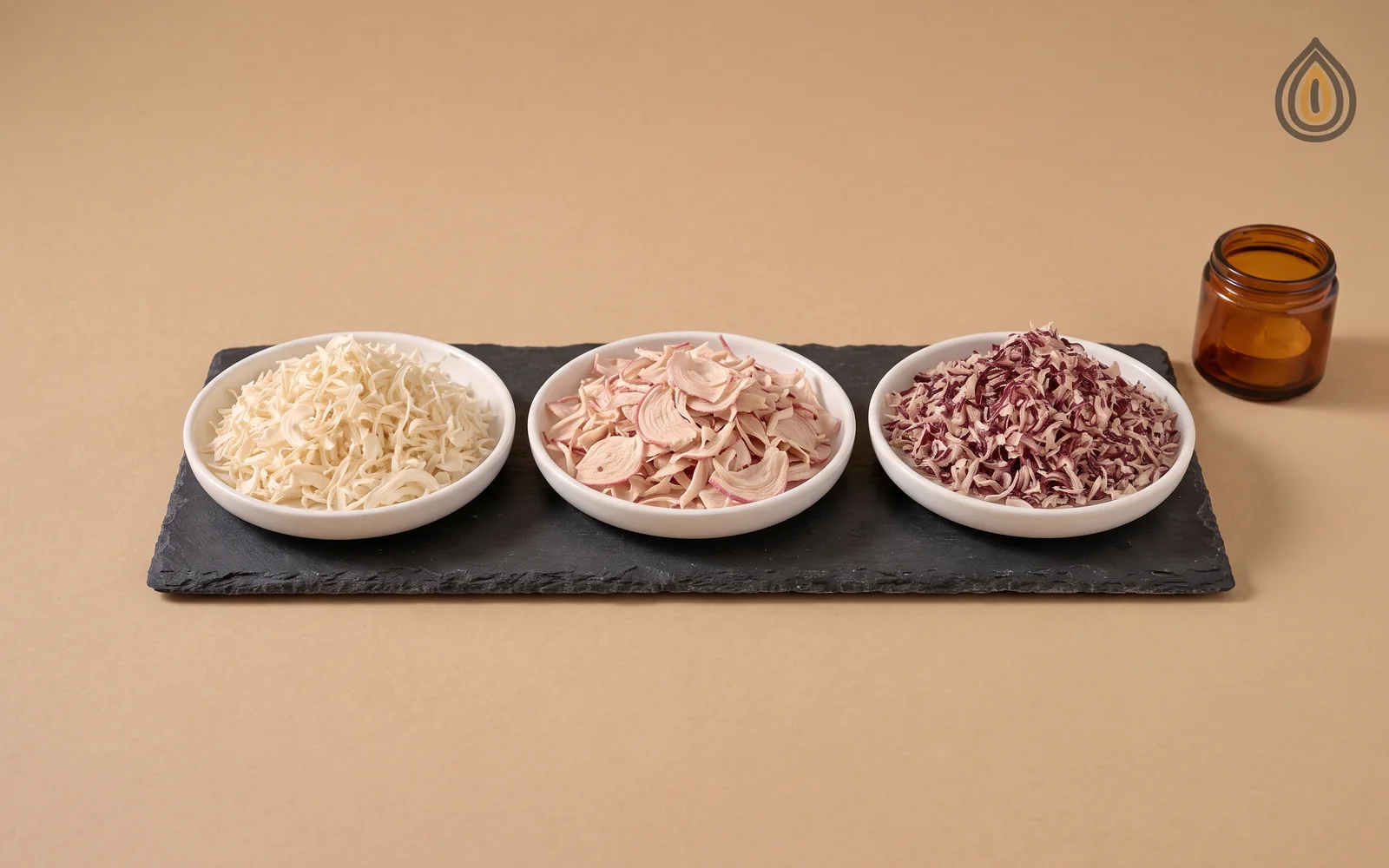
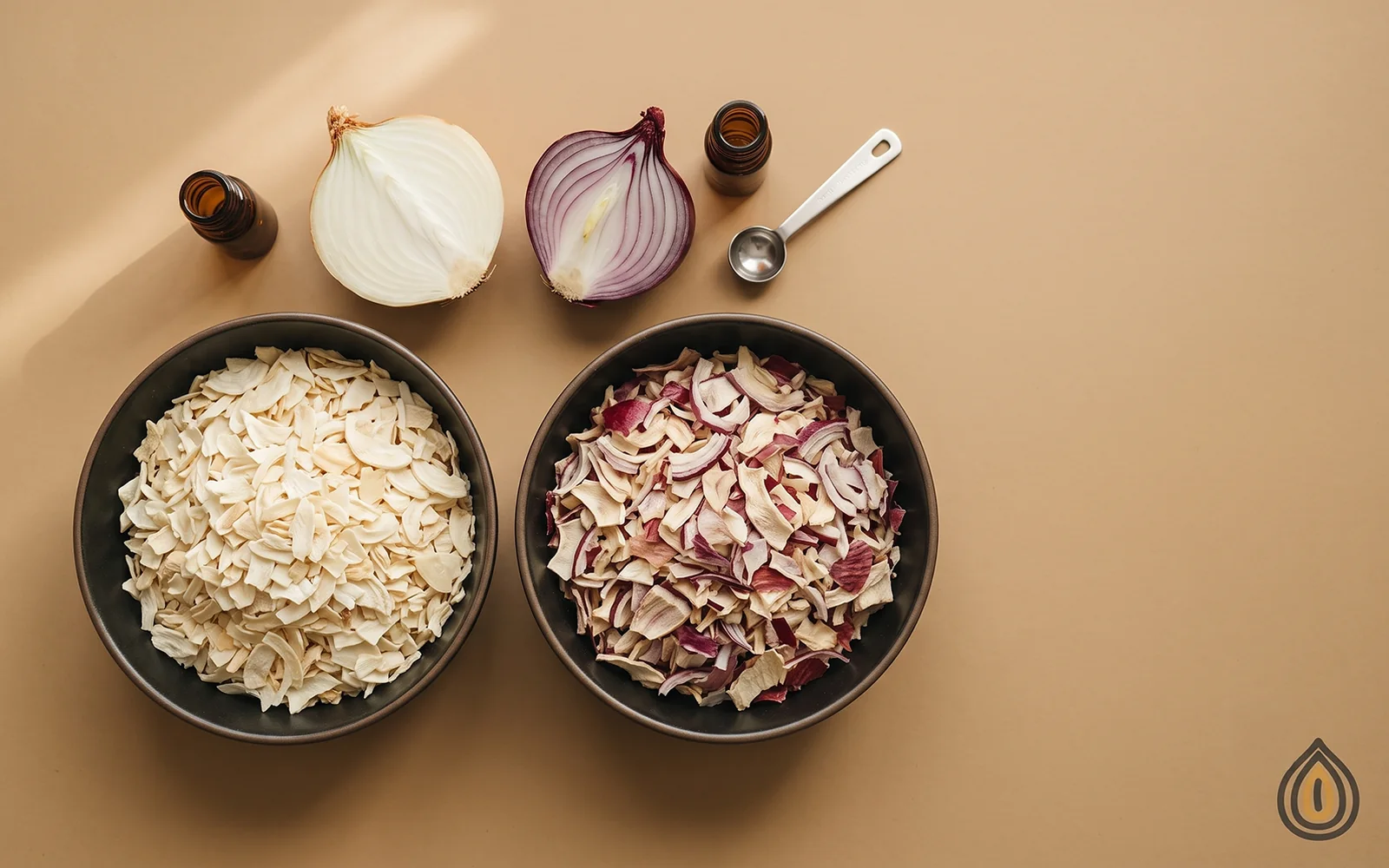
Pink onion is the third colour in the Mahuva trade and the least understood: a Saurashtra variety with a rose-tinted skin and pale flesh that dries to a product between white and red in colour, flavour and price. Where it comes from, what each cut looks like, how it cooks, who uses it and why, its short season, what it costs, and how to specify it.
Bulk Density and Flowability of Onion Powder and Granules in Production Lines
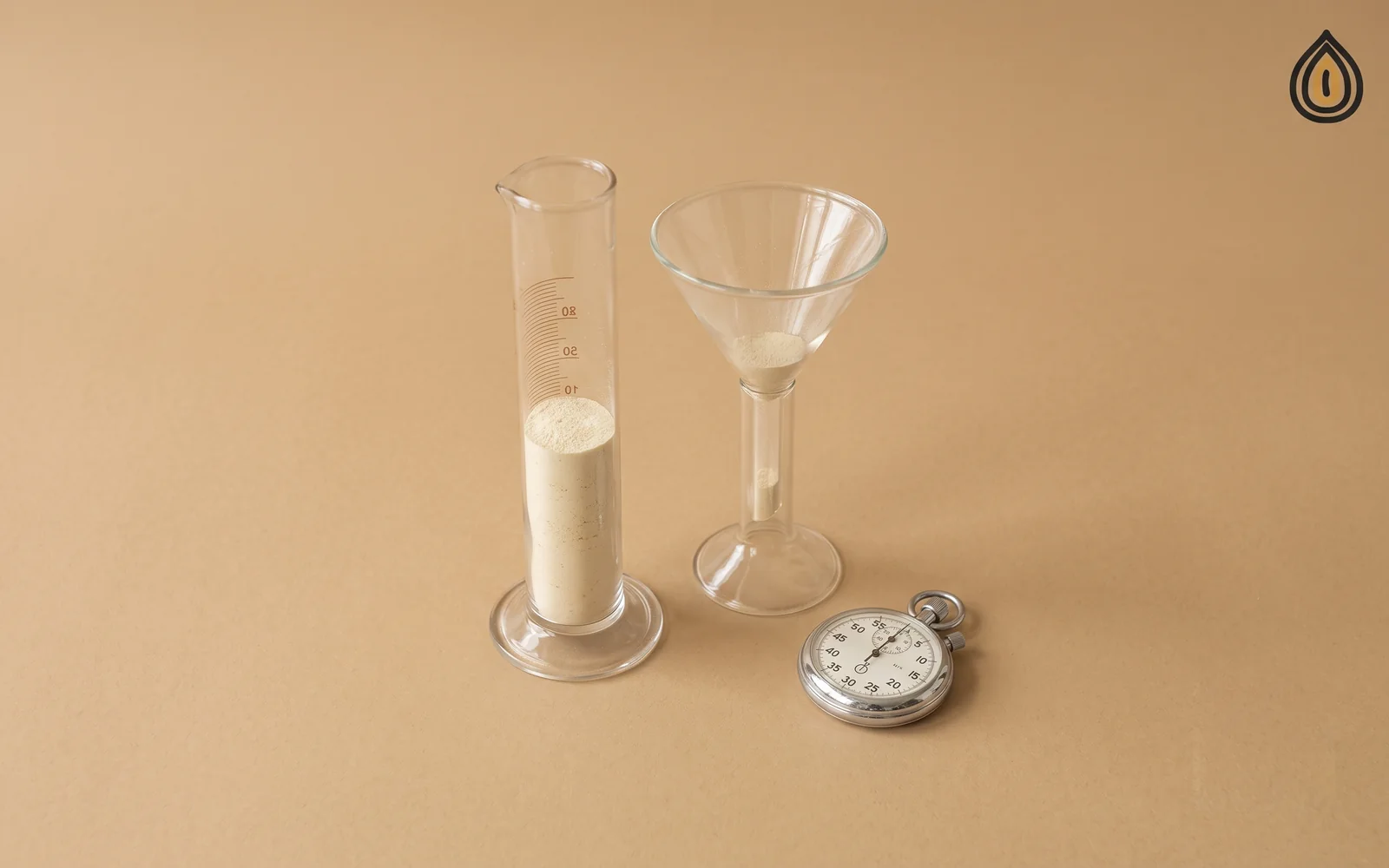
A powder that will not flow stops a line, and onion powder is one of the worst flowers in the spice store: hygroscopic, sugary, fine and sticky. What bulk density is and why loose and tapped differ, the values by cut, how to measure them, the physics of caking and bridging, anti-caking and clean-label options, hopper design, and the specification lines that keep a line running.
What Is Kibbled Onion? Sizes, Uses and How It Differs from Chopped
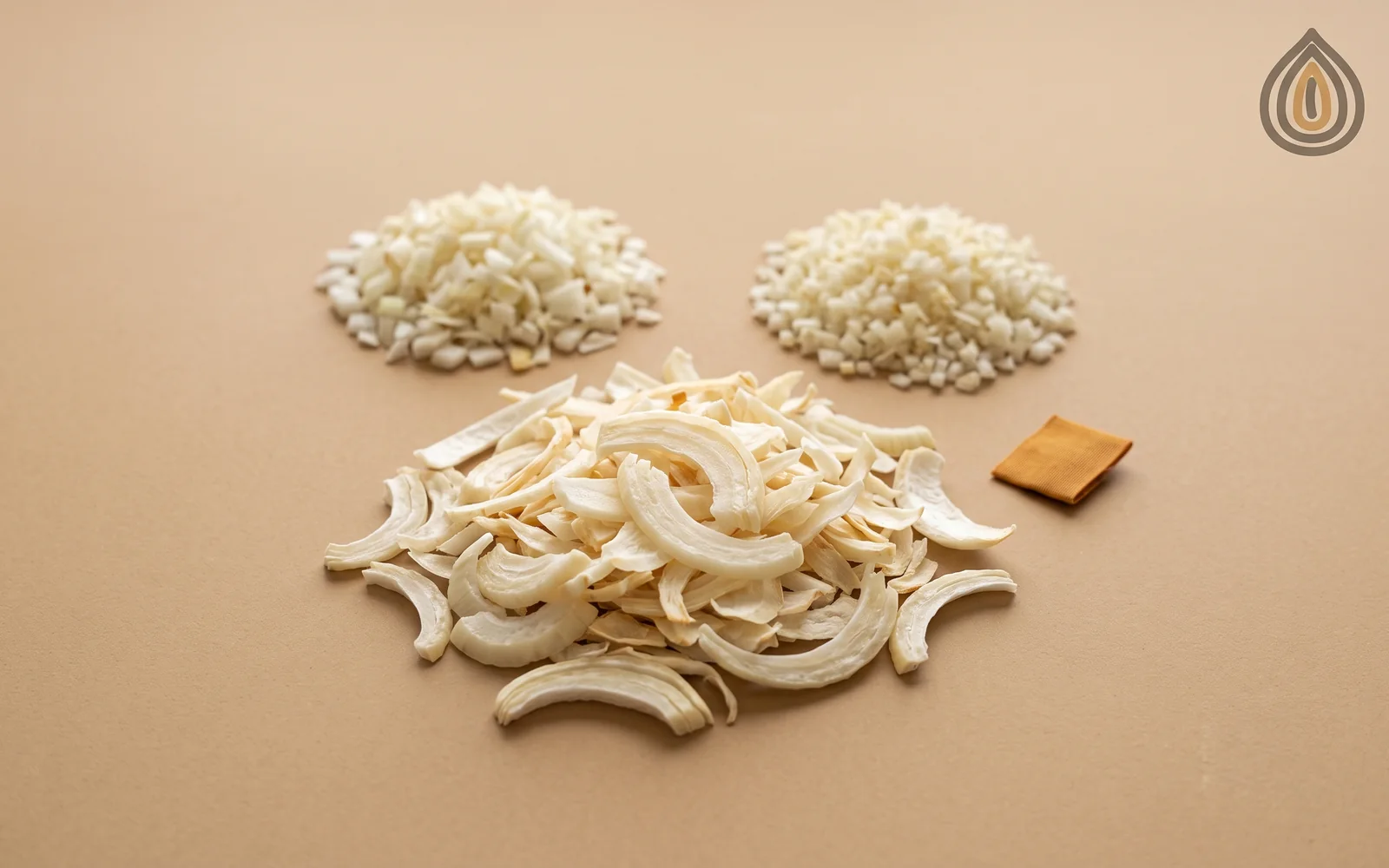
Kibbled is the oldest word in the dried-onion trade and the least precise: in Britain it means the large flake, in America a coarse chop, in India whatever the coarse screen retains. Where the word came from, the sizes it covers in each market, how kibbled differs from flakes, chopped and minced, how it is made, where it is used, rehydration and dosing, and the specification that removes the ambiguity.
Dehydrated Onion Colour: Grades, Browning Causes and How to Specify It
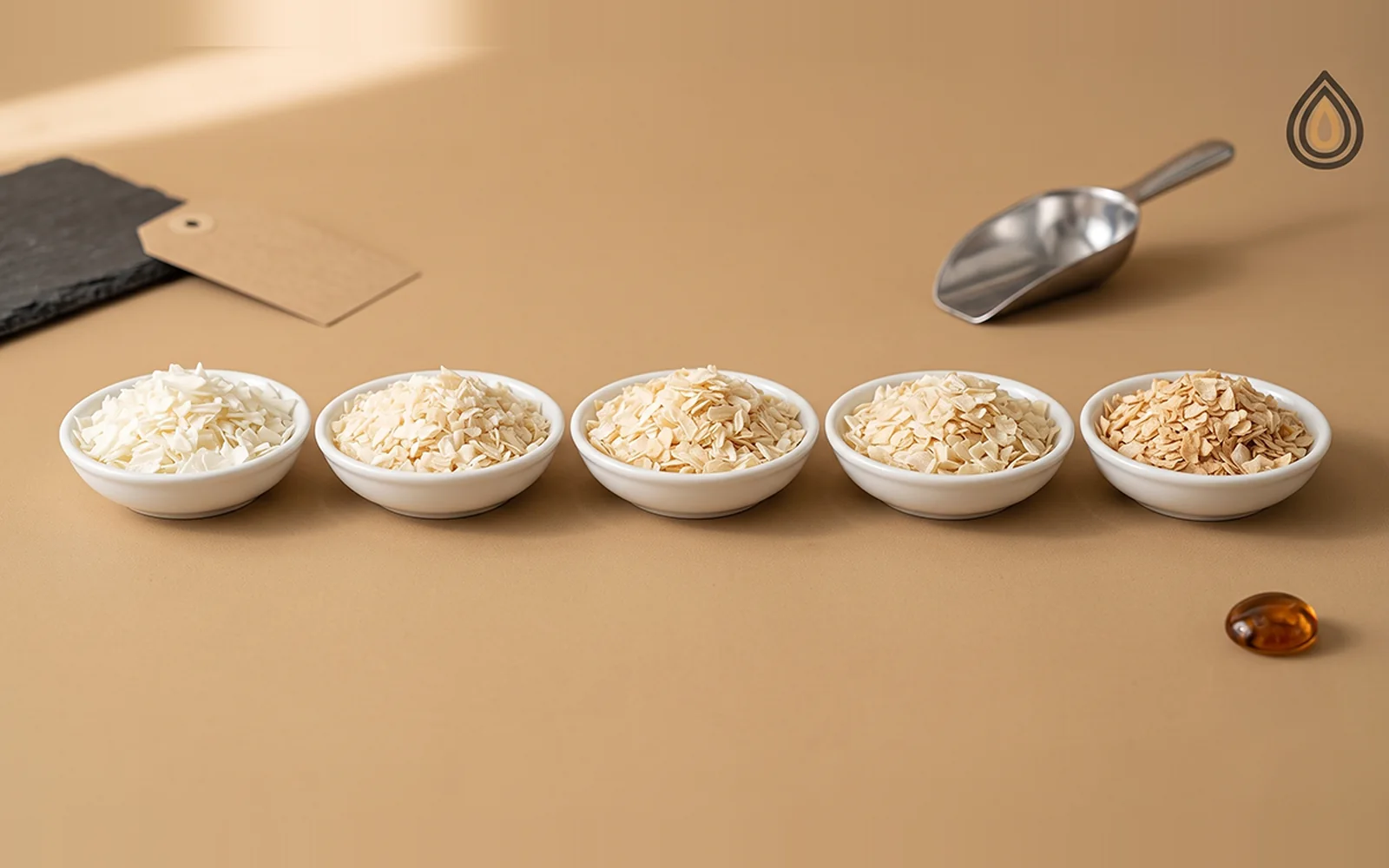
Colour is the first thing a buyer sees and the parameter most often argued about, because white means different things to a plant, a buyer and a colour meter. The grades the trade uses, what browns onion in the field, the dryer, the mill and the warehouse, how colour is measured and why methods disagree, red and pink, storage and cooking, and the wording that ends the argument.
Dehydrated Onion Packaging: 20 kg Bags, Liners, Cartons and Private Label
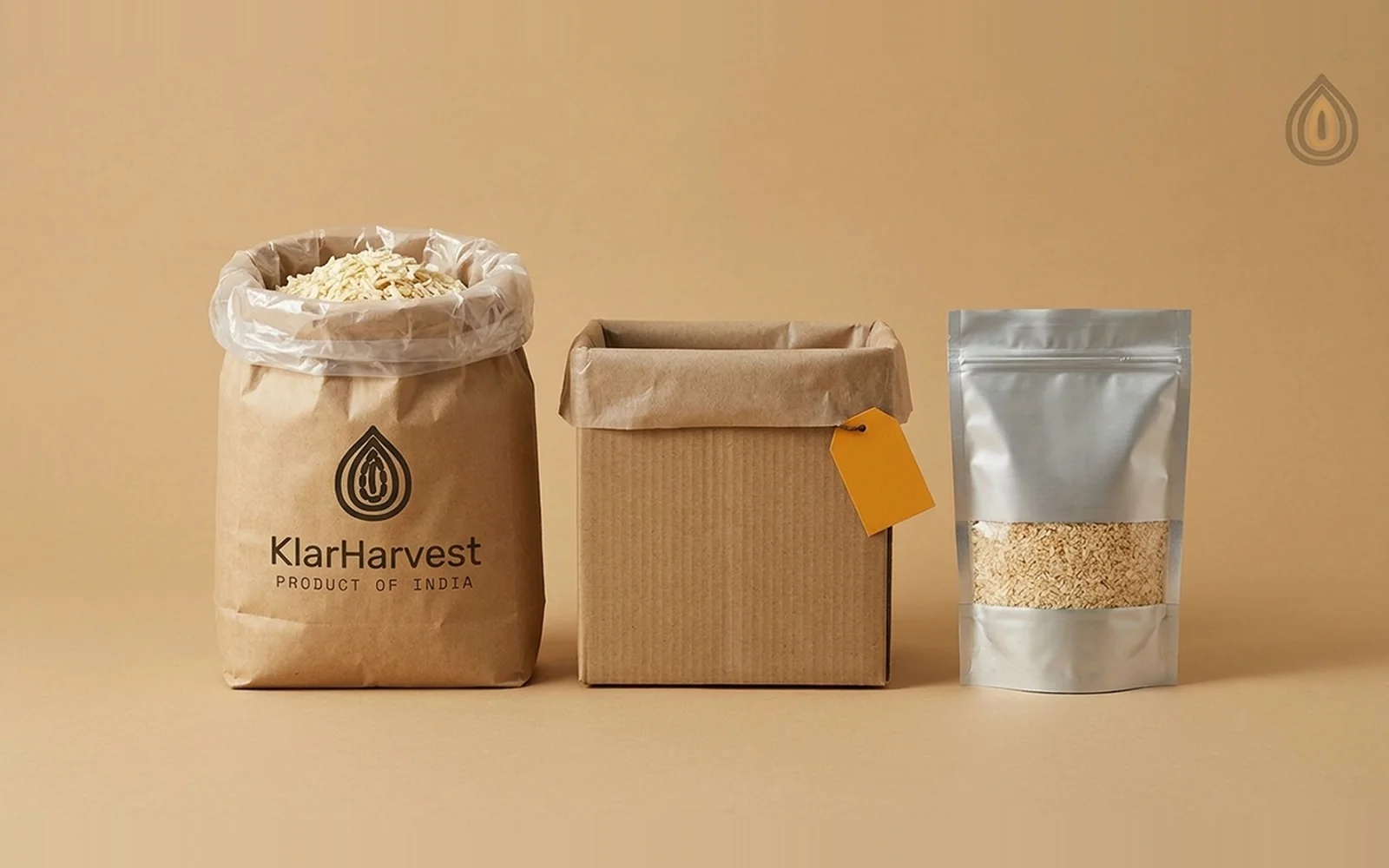
A product that keeps for two years at 5 percent moisture keeps for two months once the wrong bag lets humidity in. The standard 20 kilogram kraft bag and its liner, why the liner matters more than the bag, cartons and drums for powder, big bags, retail and foodservice formats, pallets and container fit, bag marking, private label, and the packaging lines for a specification.
Mesh Size in Dehydrated Onion: From 8-20 mm Flakes to 100-Mesh Powder
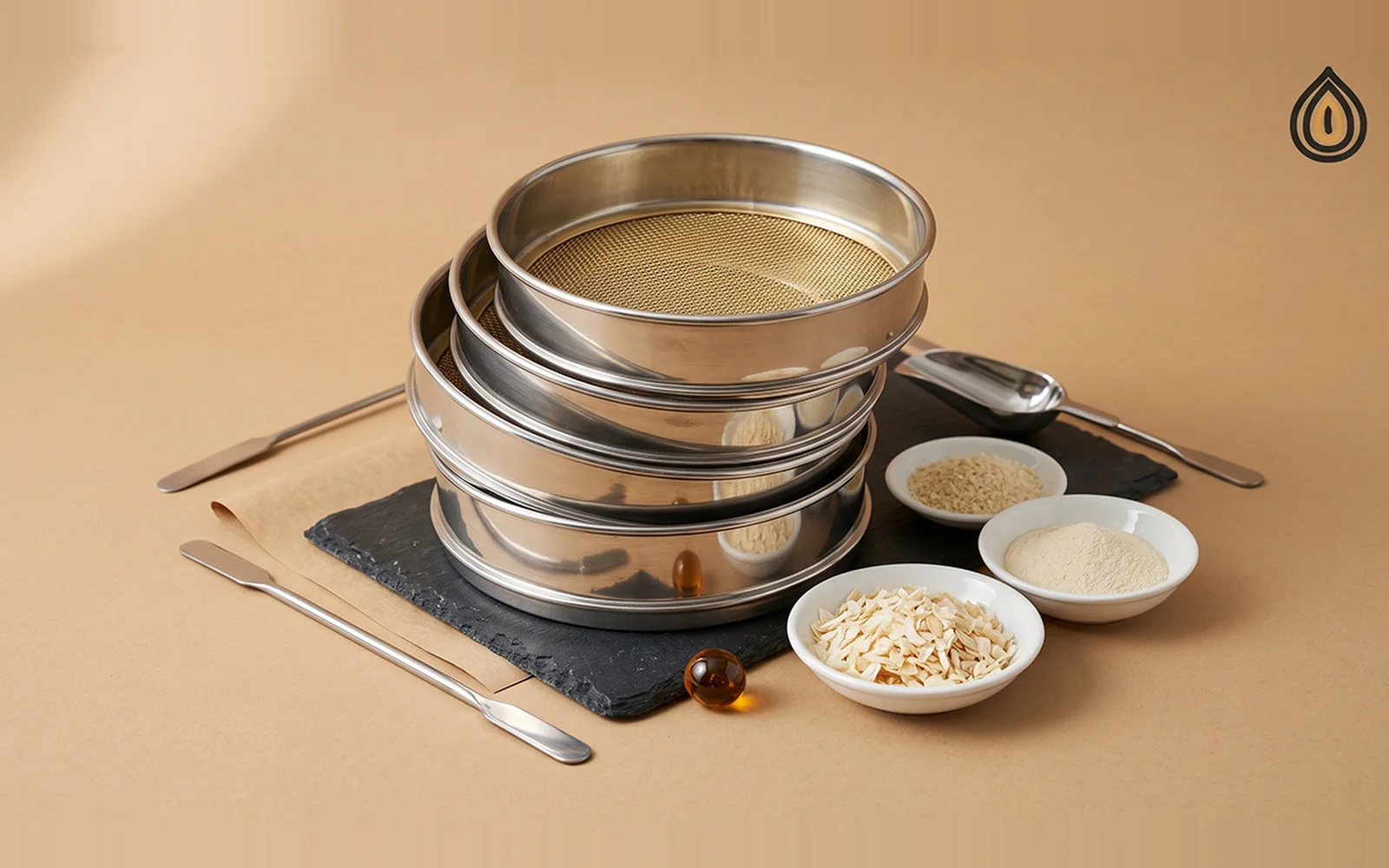
Mesh is the number that turns a cut name into a specification. What a mesh number means and how it converts to millimetres and microns, the standard bands for every cut in both units, how to read a sieve analysis, the custom bands snack and blend makers ask for, and the wording that removes the argument.
How Dehydrated Onion Is Made: From Field to Flakes in Eight Steps
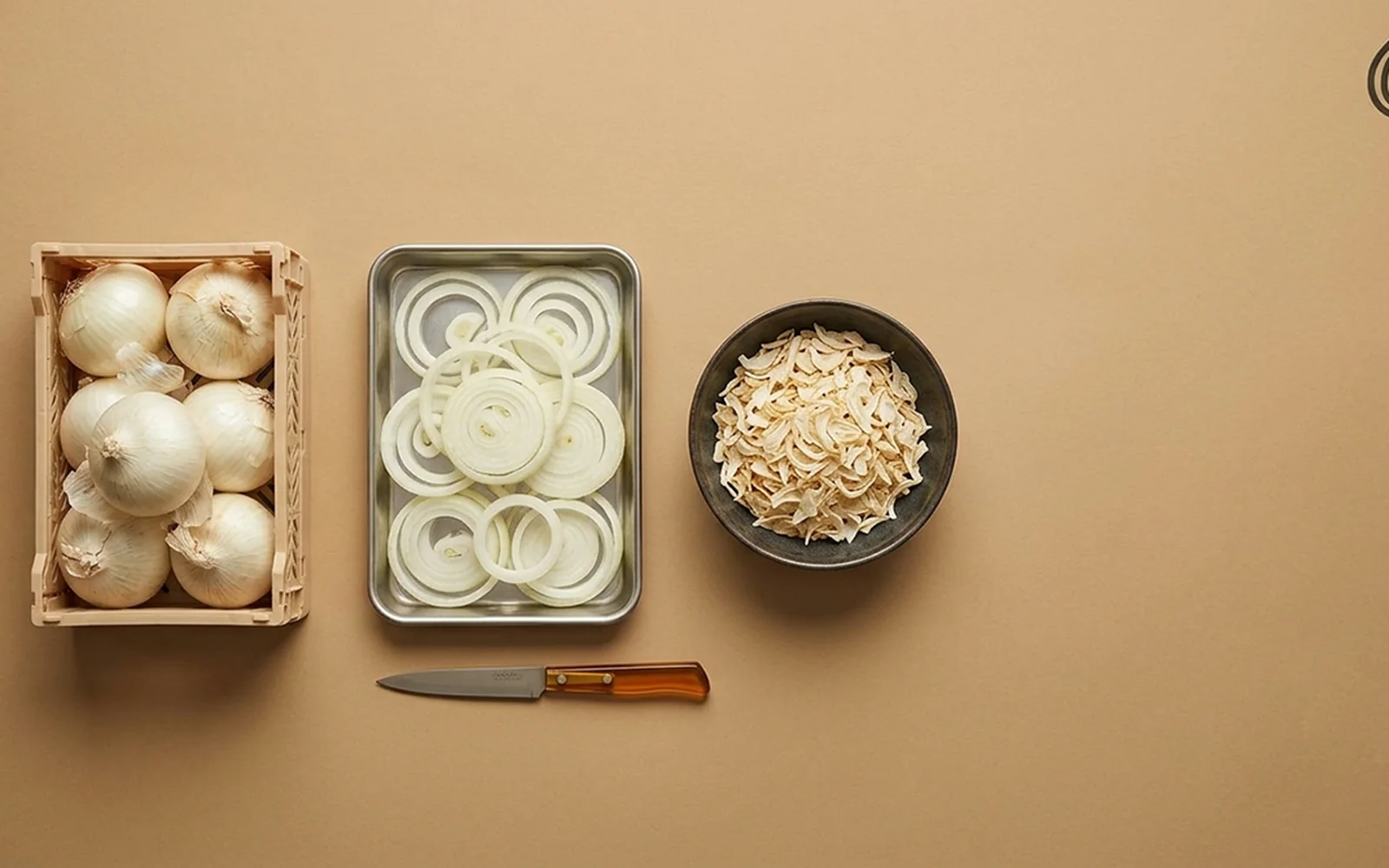
Eight steps from a cured bulb to a sealed, coded bag, with the numbers at each one: 100 kilograms of fresh onion to 11 of dry, the belt dryer's temperatures and hours, the 6 to 9 kilowatt-hours that drying takes, sorting, steam treatment for the low-bacterial grades, metal detection and release. Plus which defect comes from which step and the questions to ask a plant at each one.
Dehydrated Onion Shelf Life: Storage Conditions, Packaging and Caking Prevention
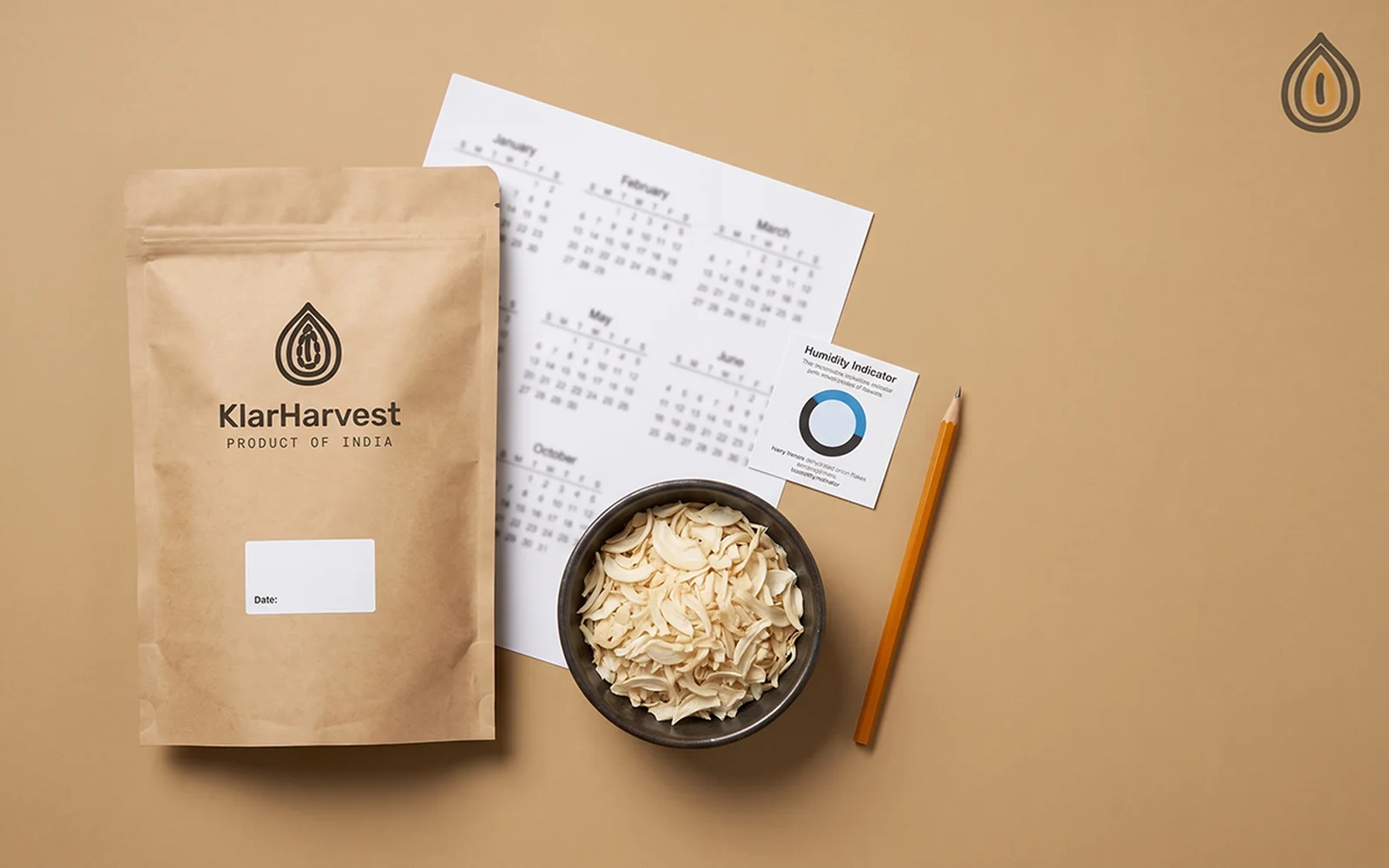
Dried onion does not go off; it goes downhill, and the slope is set by how it is kept. What the 18 or 24 month declaration means, the three ageing mechanisms, ageing by cut and colour, the four storage numbers that matter, liners and bags, rotation, pests, opened bags and caking on the production floor, aged stock, and a practical-life table by conditions.
White vs Red Dehydrated Onion: Flavour, Colour, Uses and Price Differences
White onion is the mild, pale export standard; red onion is sharper, sweeter, keeps its purple skin fragments in flakes and chopped and costs 10 to 25 percent more. Which colour to specify by product type, how red behaves in each cut and after cooking, price and availability through the year, the five specification lines that differ, pink onion, and blends that get the effect for less.
Flakes, Chopped, Minced, Granules or Powder: Which Dehydrated Onion Cut Do You Need?
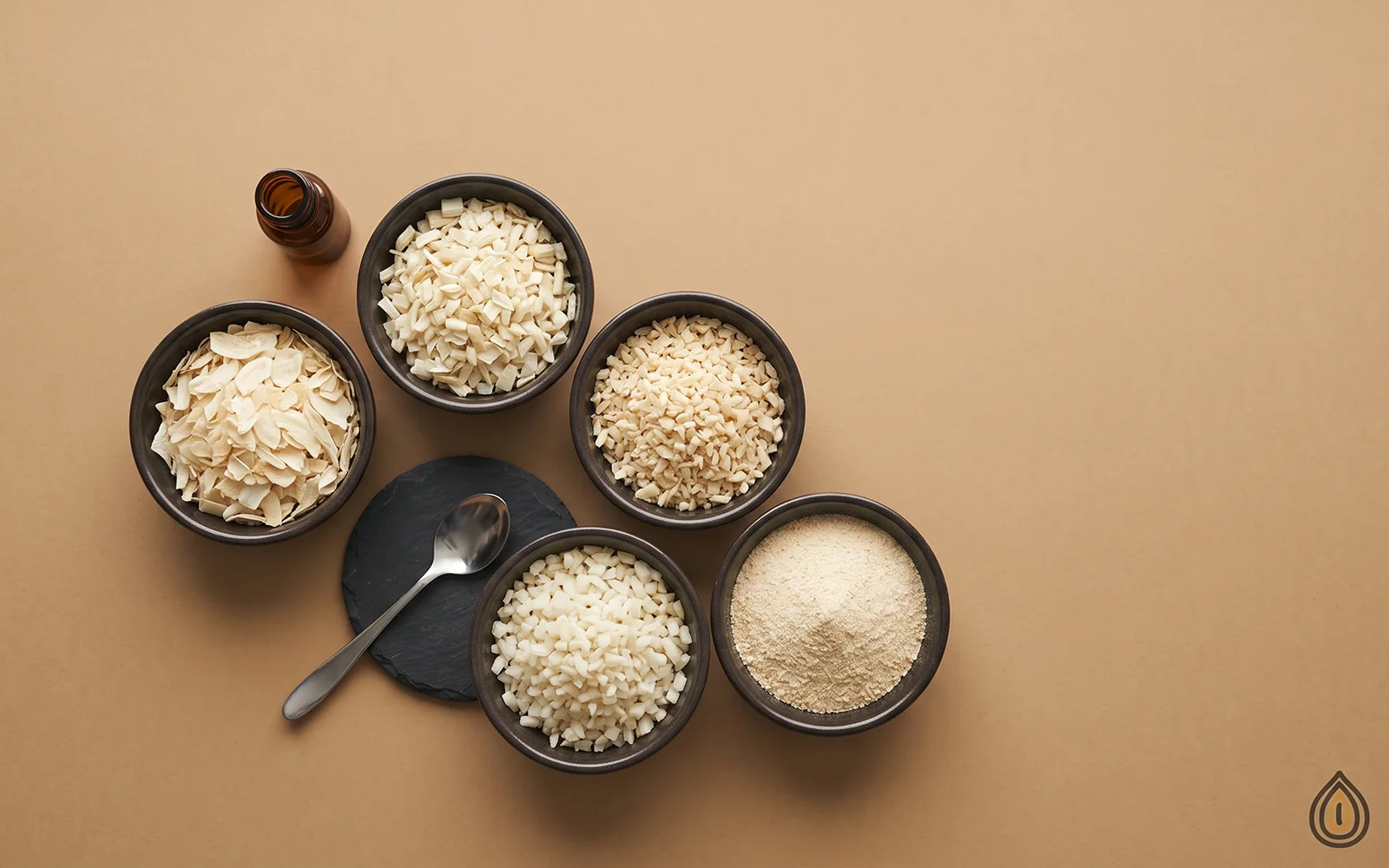
Flakes 8-20 mm, chopped 3-5 mm, minced 1-3 mm, granules 0.5-1 mm, powder 80-100 mesh: the same dried onion, five particle sizes. Which one you need depends on whether onion must be visible and how long the product cooks. Size bands, rehydration ratios by cut, a decision table by application, price and freight per cut, and specification wording a supplier cannot misread.
Get a Dehydrated Onion Quote Within One Business Day
Product, cut size, quantity, destination port - that's all we need to start. You'll receive a written quotation with full specifications from a dehydrated onion exporter, not a one-line price.
info@klarharvest.com · WhatsApp +91 97371 01599 · Bhavnagar, Gujarat, India
Samples
Request a Sample
200-500 g per product from a current lot, dispatched by courier with the specification sheet and the sample lot's lab report.
A complete written quotation - specification sheet, price with freight shown separately, and lead time - within one business day.
The complete specification sheet as a PDF - cut size and sieve range, moisture, microbiology tiers, packing options and container loads - sent to your e-mail within one business day.
Thank you - your sample request is in. You'll have our written reply with dispatch details within one business day, and the parcel ships by courier with the specification sheet and the lot's lab report.
Thank you - your inquiry is in. You'll have a complete written quotation - specification sheet, price with freight shown separately, and lead time - within one business day.
Thank you - the specification sheet is on its way. You'll have the PDF in your inbox within one business day.