Water Activity in Dehydrated Onion: The Number Behind Shelf Life
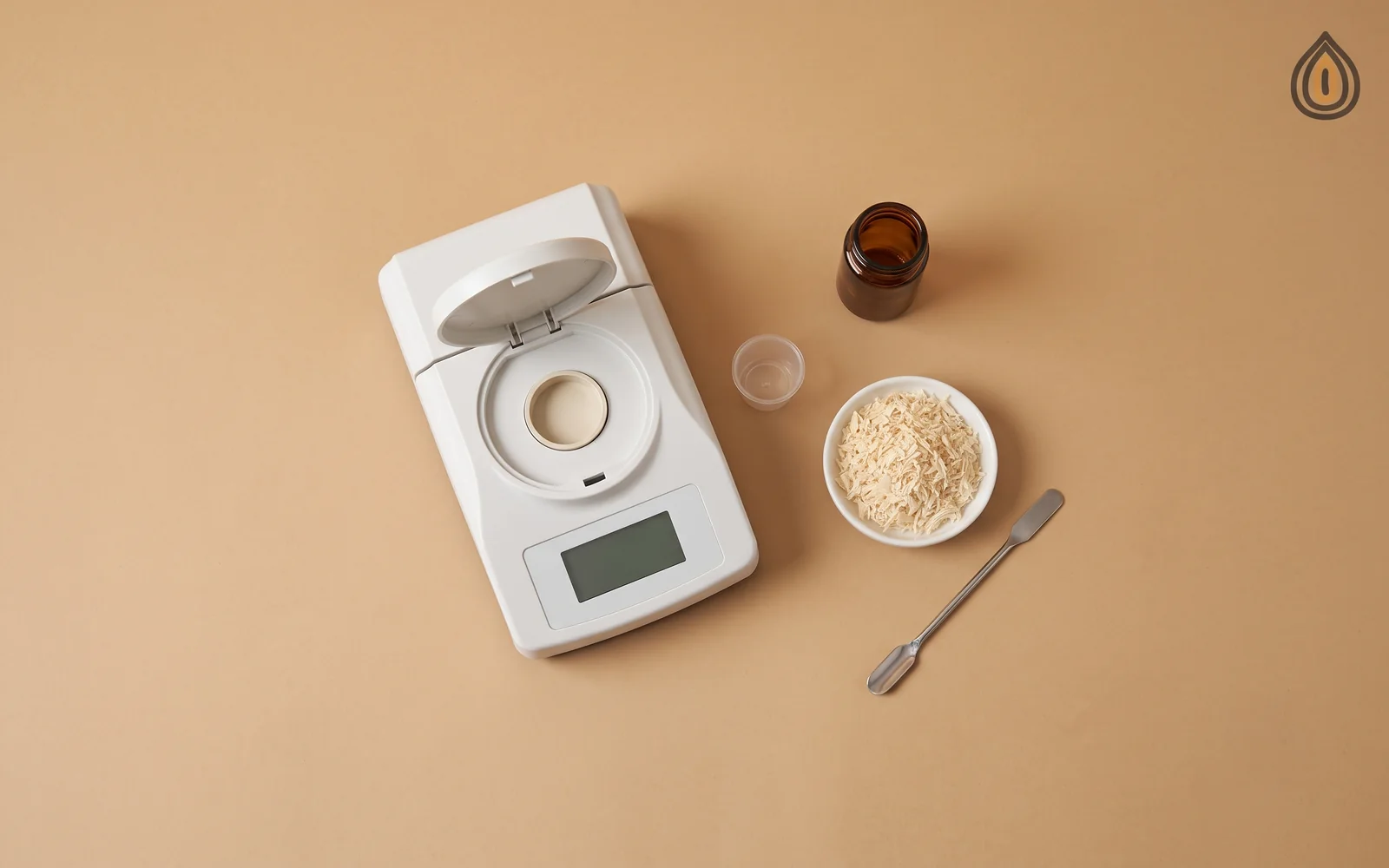
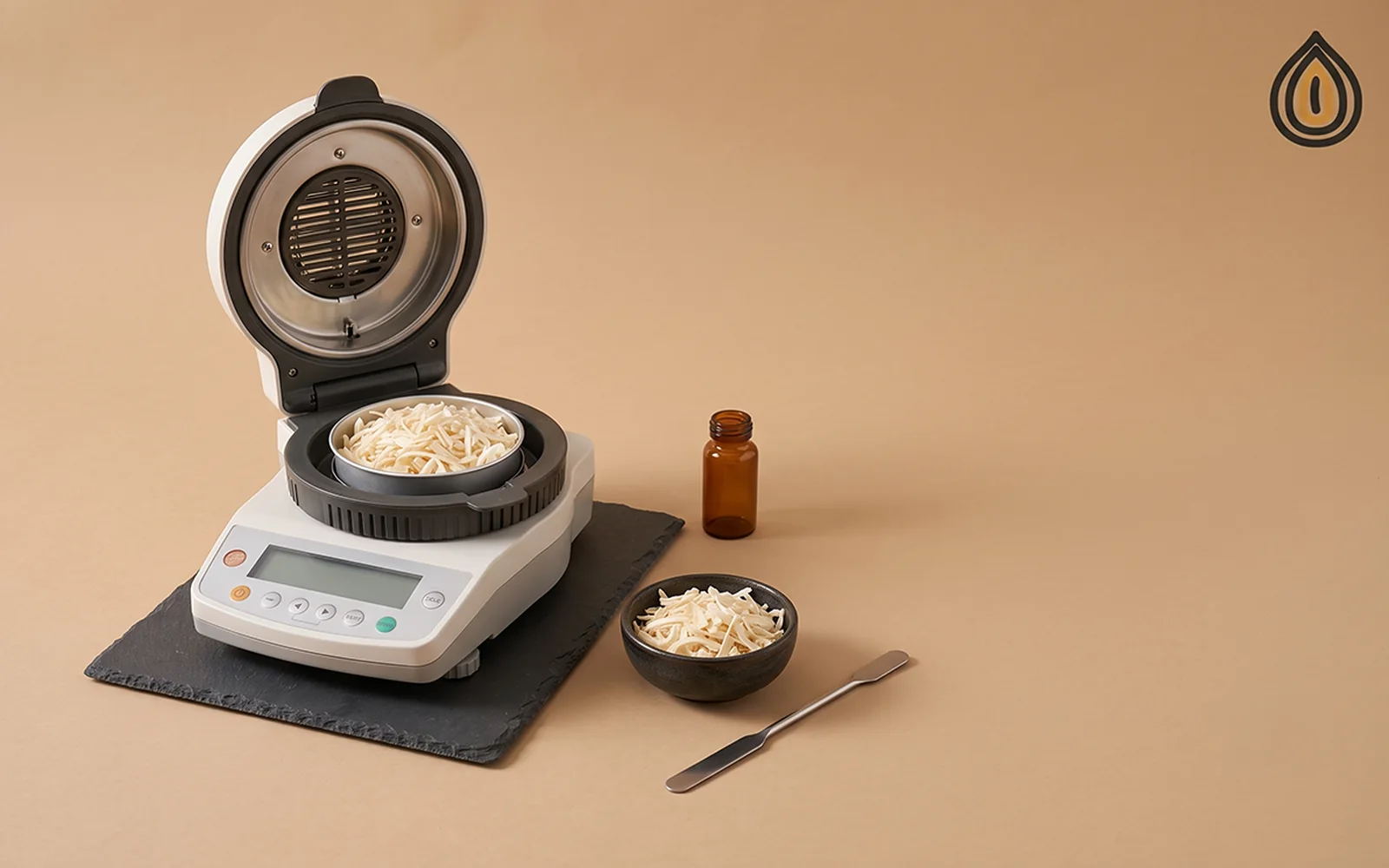
Moisture says how much water a product holds; water activity says how much of it is available to microbes, caking and browning, and it is the better predictor of shelf life. Why 5 percent moisture in onion is 0.3 aw, the thresholds at which mould, caking and browning start, the isotherm that links the two numbers, how aw is measured and specified, and how to use it in a blend.
Low Bacterial and Extra Low Bacterial Dehydrated Onion: Steam Treatment Explained
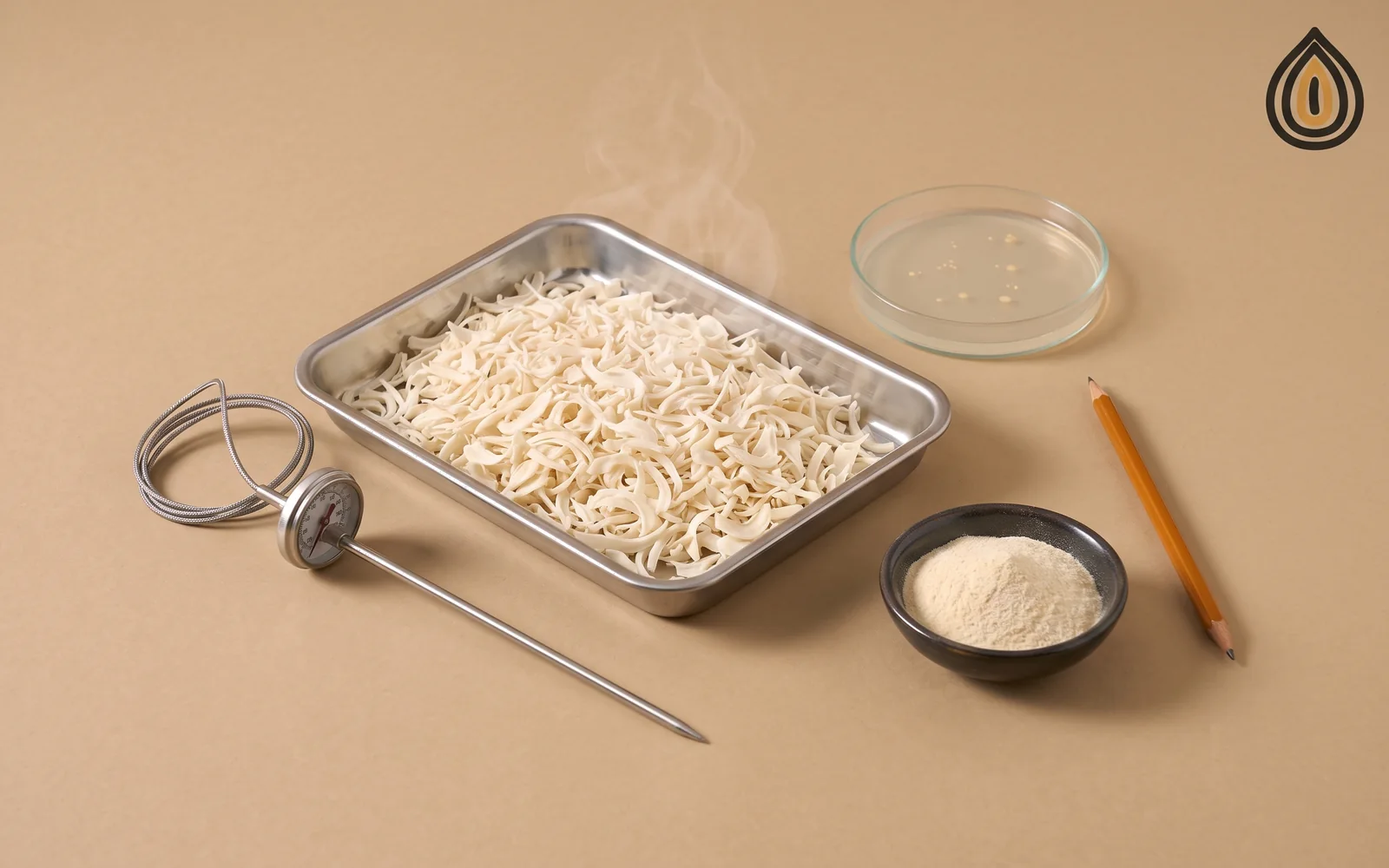
Standard dehydrated onion carries up to half a million bacteria per gram and is safe in anything cooked; a dip, a shaker or a raw sausage needs less. The three tiers and their counts, how steam treatment takes a lot from standard to extra low without chemicals, what it costs in colour, flavour and money, validation, the alternatives, who needs which tier, and how to specify it.
Organic Dehydrated Onion from India: Certification, Availability and the Price Gap
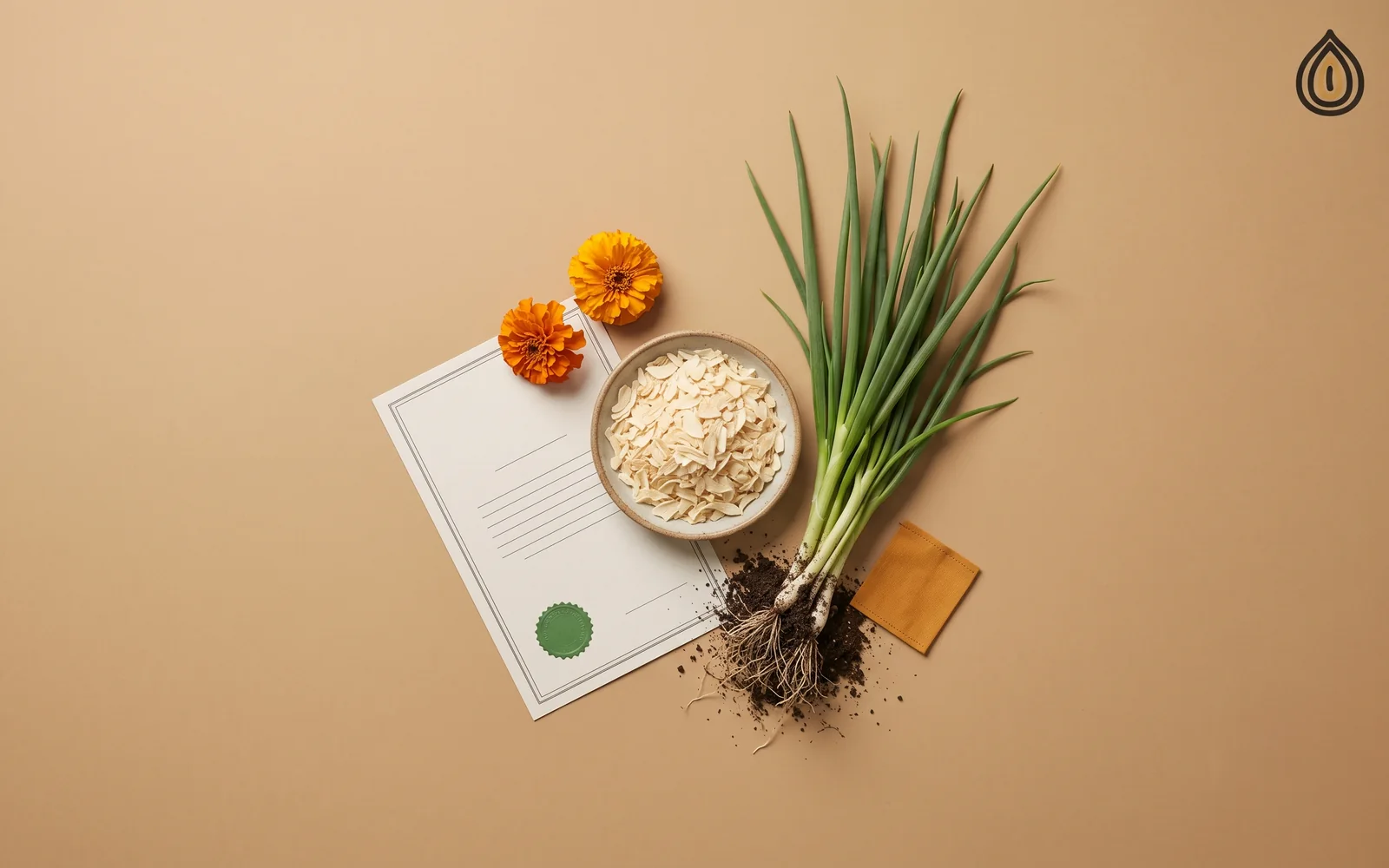
Organic dehydrated onion from India exists, sells at about three times the conventional price, and is harder to buy well because the certification chain has more links and the volumes are small. How it is grown and dried, NPOP and its standing with the EU, the certificate of inspection, who makes it, the price gap, testing and residues, and how to specify and buy it.
Common Quality Defects in Dehydrated Onion and How to Prevent or Reject Them
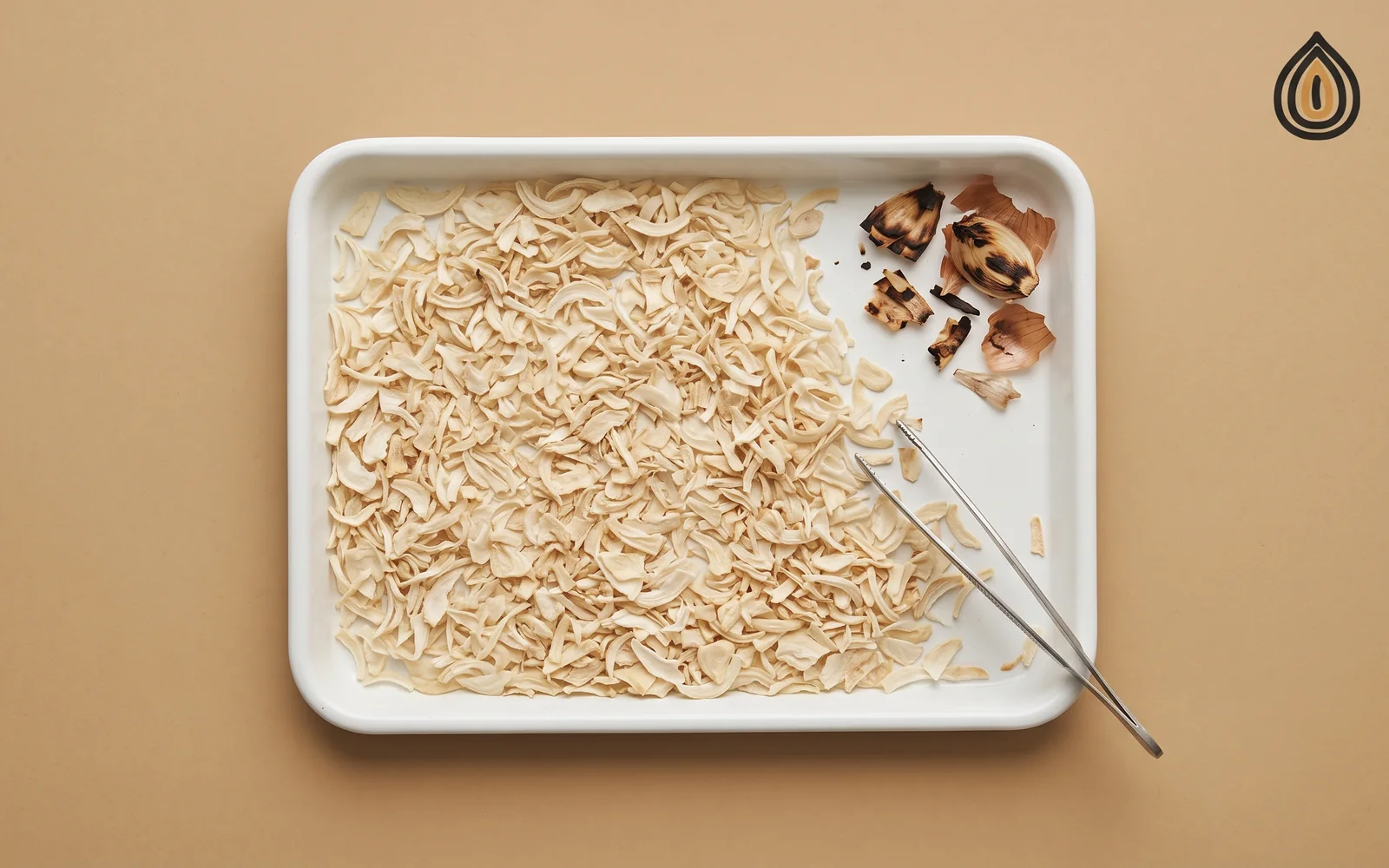
Every defect a buyer will find in a bag of dehydrated onion has a cause between the field and the warehouse, and most have a fix. The full catalogue, browning, scorched pieces, black specks, skin, foreign matter, fines, caking, off-odour, pink admixture, high counts and short weight, with where each comes from, the limits, the inspection, and when to accept, downgrade or reject.
Allergens, Gluten and Dehydrated Onion: What the Declaration Should Say
Pure dehydrated onion contains none of the fourteen substances the EU requires to be declared, and a buyer still needs a proper allergen statement, because the statement is about the plant as much as the product. The regulatory lists, what onion carries and does not, the sulphite exception, cross-contact and its control, gluten-free claims, fructan intolerance, the declaration format an auditor accepts, and the pet-food note.
Pesticide Residues in Dehydrated Onion: EU MRLs and How Suppliers Test
Residues are the test most likely to fail an otherwise perfect lot, and the one where arithmetic matters as much as chemistry: an MRL set on fresh onion, a product concentrated eight times by drying, and laboratories that apply the factor differently. The substances used on Indian onion, the EU MRL system, the multi-residue screen and its LOQ, control at source, reading a report, and marginal results.
How to Read a Dehydrated Onion Lab Report: The NABL Certificate of Analysis
The certificate of analysis is the document a buyer relies on most and reads least. Who issues it and what NABL accreditation means, how to verify a report, the anatomy from header to signature, every parameter with its method and limit, detection limits and sample sizes, why the sampling line matters most, the warning signs, an importer's own testing plan, and a specimen certificate.
Sulphites in Dehydrated Onion: Why They Are Used, EU Limits and Sulphite-Free Options
Sulphite kept dried onion white for sixty years; the allergen label ended that for European buyers. What sulphites do in onion, how a plant applies them and what residue stays, the EU additive and allergen rules and the 10 mg/kg threshold, other markets, why the standard test gives false positives on onion, how plants keep onion white without it, cross-contact risk, who still wants sulphited product, and the specification wording.
EU Import Requirements for Dehydrated Onion: MRLs, Contaminants, Labelling and Documents
The EU rules for dehydrated onion sit in a dozen regulations; the practical list is short. Tariff line and duty, pesticide MRLs with the drying concentration accounted for, contaminant limits, sulphites and their declaration, the increased-controls list, the documents that clear customs, B2B and retail labelling, and the importer's own obligations as the responsible operator. With a pre-shipment checklist.
Microbiology in Dehydrated Onion: TPC, Yeast and Mould, E. coli and Salmonella Limits
A product at 5 percent moisture is not sterile: drying leaves the spores, and a standard onion powder carries a few hundred thousand per gram, acceptable in a soup and not in a dip. Where the count comes from, each parameter with typical values, the three tiers and their limits, the pathogen lines that never change, steam treatment, ISO methods, sampling, and the one question that decides the tier.
What BRC Certification Means for a Dehydrated Onion Supplier
"BRC certified" on a listing can mean a certified plant, an exporter who buys from one sometimes, or a company that once saw a certificate. What the BRCGS standard audits in a dehydration plant, grades and unannounced audits, verifying a certificate in five minutes, reading the scope, how many Mahuva plants hold it, BRCGS against IFS for German buyers, and what it means when bags travel through an exporter.
Dehydrated Onion Moisture Content: Why 6 % Matters and How It Is Tested
Six percent is where safety, colour and flow all turn favourable, and every percent above it is water bought at the price of onion. What moisture means, how it relates to water activity and mould, what happens at 7, 8 and 10 percent, how the four test methods disagree, how to test on arrival and claim, and a shelf-life table by moisture and temperature.
Get a Dehydrated Onion Quote Within One Business Day
Product, cut size, quantity, destination port - that's all we need to start. You'll receive a written quotation with full specifications from a dehydrated onion exporter, not a one-line price.
info@klarharvest.com · WhatsApp +91 97371 01599 · Bhavnagar, Gujarat, India
Samples
Request a Sample
200-500 g per product from a current lot, dispatched by courier with the specification sheet and the sample lot's lab report.
A complete written quotation - specification sheet, price with freight shown separately, and lead time - within one business day.
The complete specification sheet as a PDF - cut size and sieve range, moisture, microbiology tiers, packing options and container loads - sent to your e-mail within one business day.
Thank you - your sample request is in. You'll have our written reply with dispatch details within one business day, and the parcel ships by courier with the specification sheet and the lot's lab report.
Thank you - your inquiry is in. You'll have a complete written quotation - specification sheet, price with freight shown separately, and lead time - within one business day.
Thank you - the specification sheet is on its way. You'll have the PDF in your inbox within one business day.