Dehydrated Onion in Bakery: Breads, Crackers and Toppings
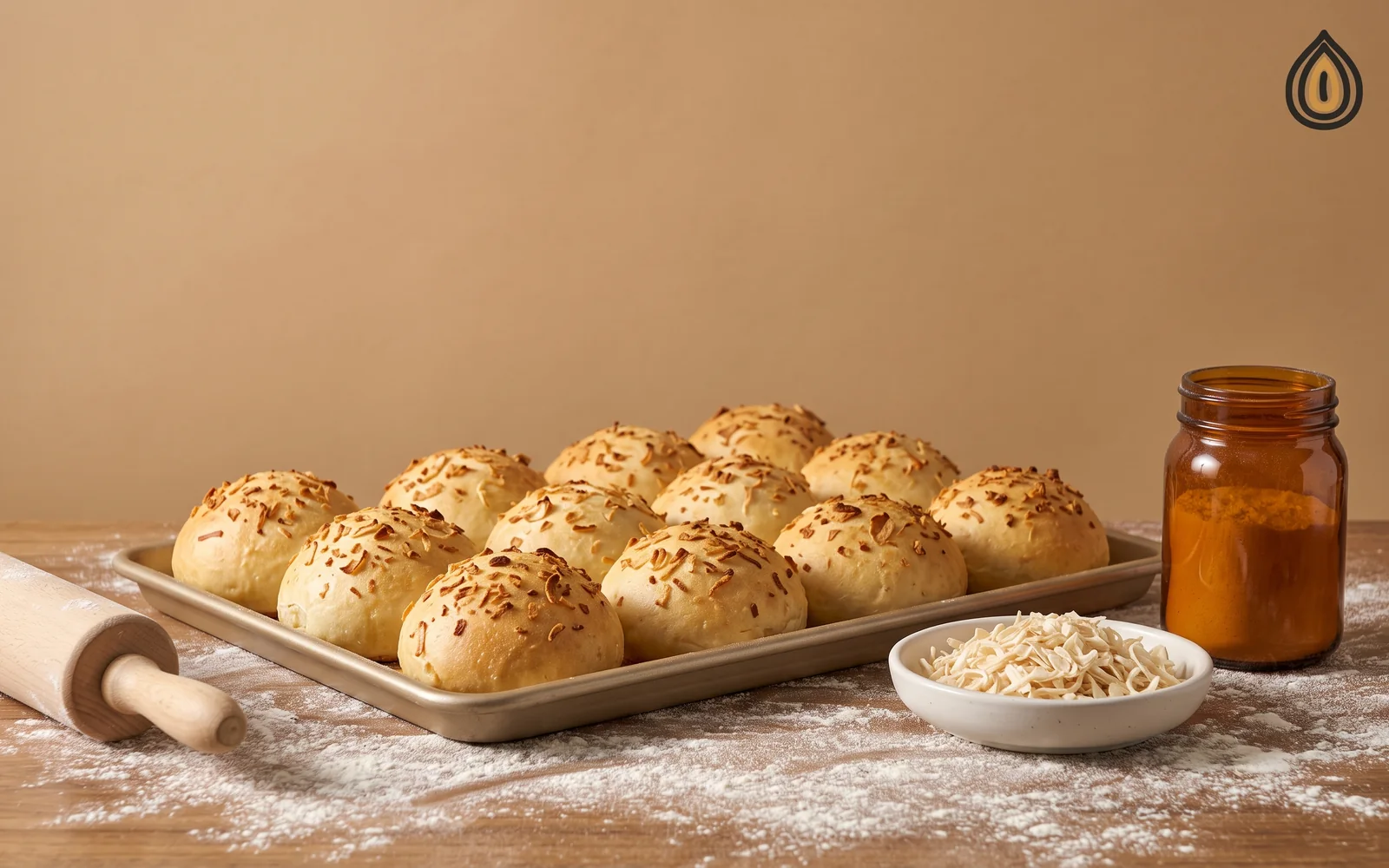
Onion is the bakery's favourite savoury ingredient after cheese, and dried onion is how it gets there: a topping that toasts gold on a roll, an inclusion in a loaf, a flavour in a cracker, a filling in a pastry. Which cut for each, why a dry flake scorches and a soaked one does not, dosing against the flour, dough water and crumb, browning, tiers, and a worked onion roll.
Low Bacterial and Extra Low Bacterial Dehydrated Onion: Steam Treatment Explained
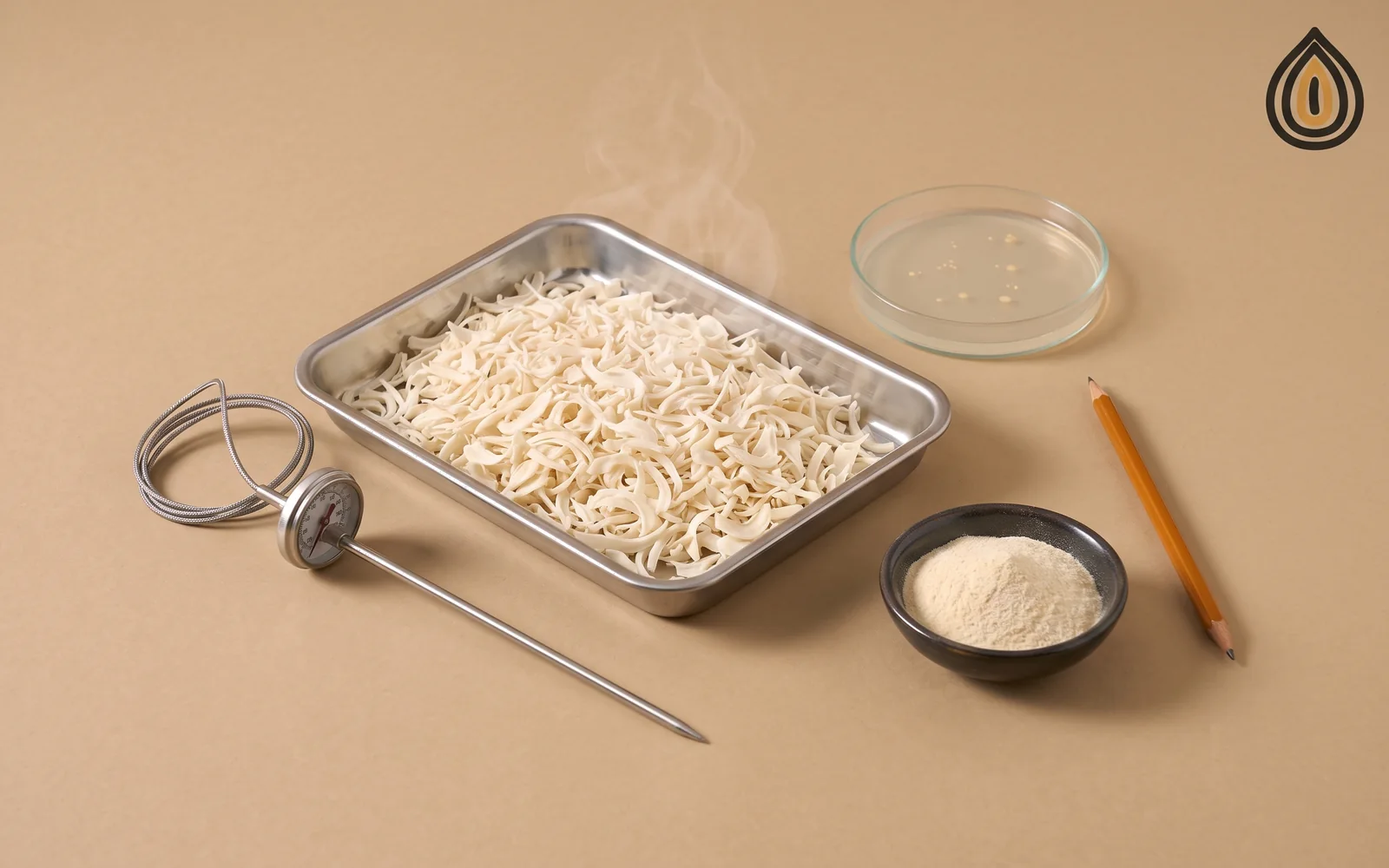
Standard dehydrated onion carries up to half a million bacteria per gram and is safe in anything cooked; a dip, a shaker or a raw sausage needs less. The three tiers and their counts, how steam treatment takes a lot from standard to extra low without chemicals, what it costs in colour, flavour and money, validation, the alternatives, who needs which tier, and how to specify it.
Dehydrated Onion in Ready Meals and Frozen Foods: Rehydration in Process
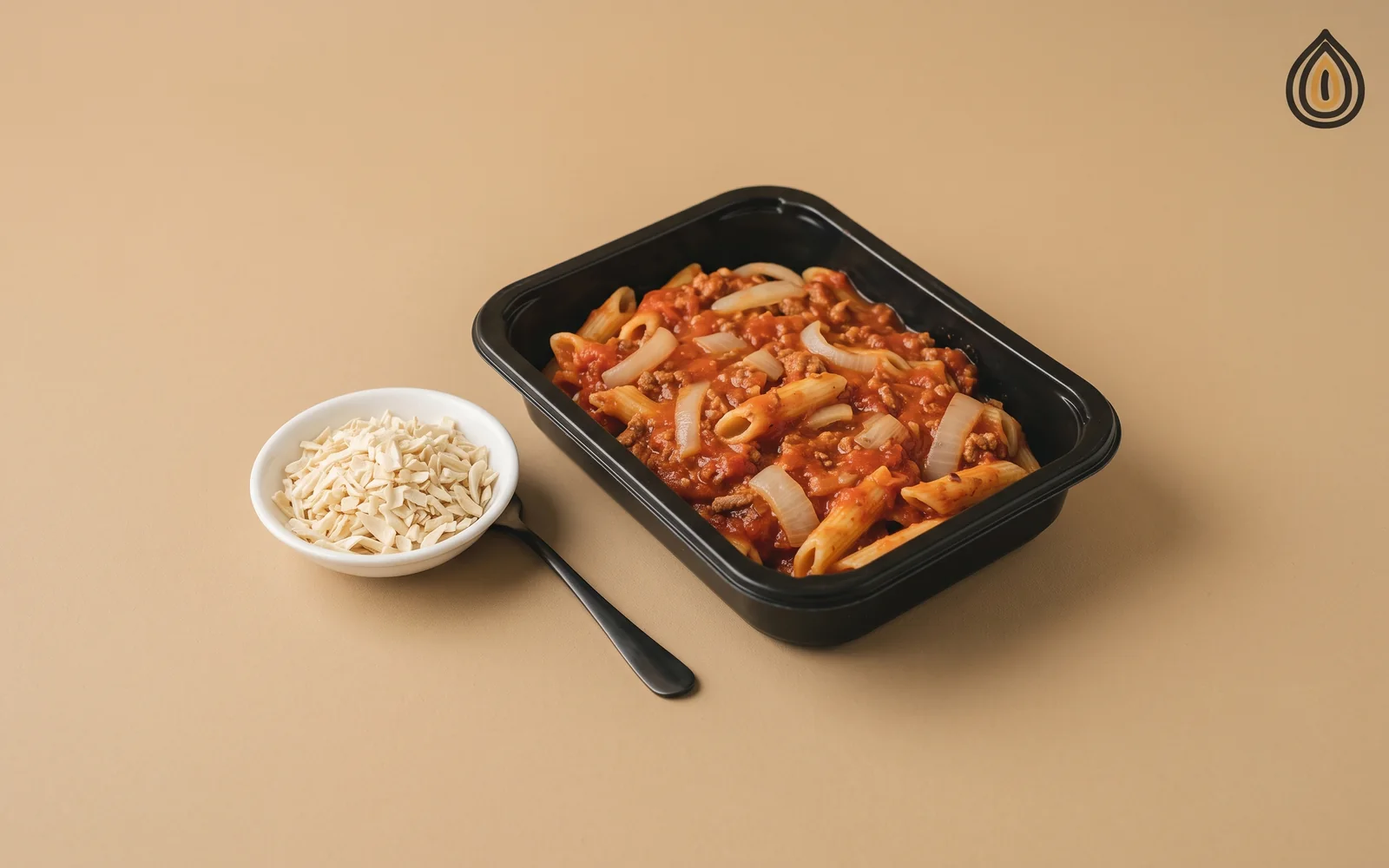
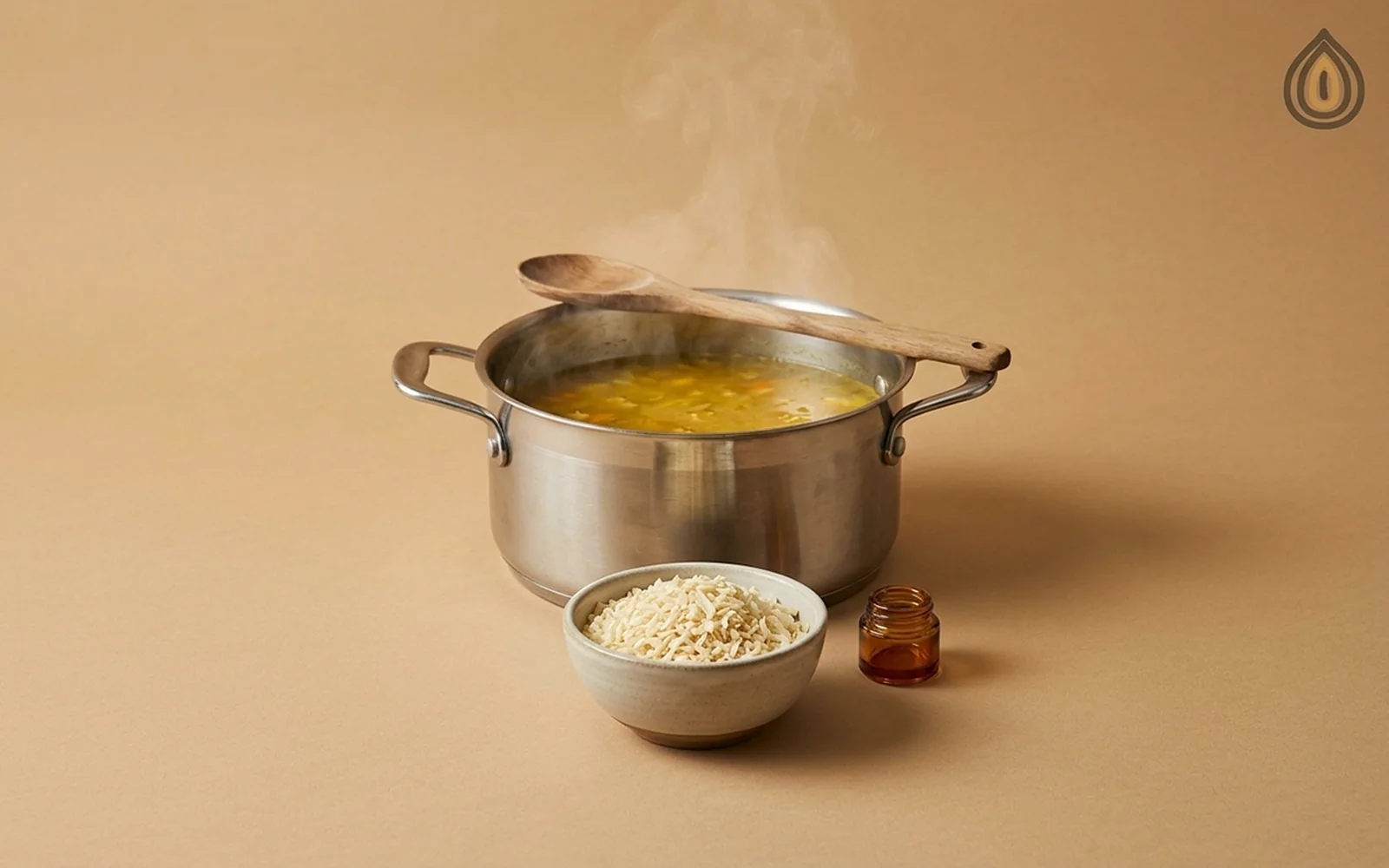
Ready meals are cooked twice, in the plant and by the consumer, and often frozen in between, and dehydrated onion has to survive all three. Which cut for chilled, frozen, retorted and microwave meals, how onion hydrates inside a sauce or a filling, what freezing and reheating do to it, dosing against fresh, tiers, common faults, and a worked lasagne sauce.
Bulk Density and Flowability of Onion Powder and Granules in Production Lines
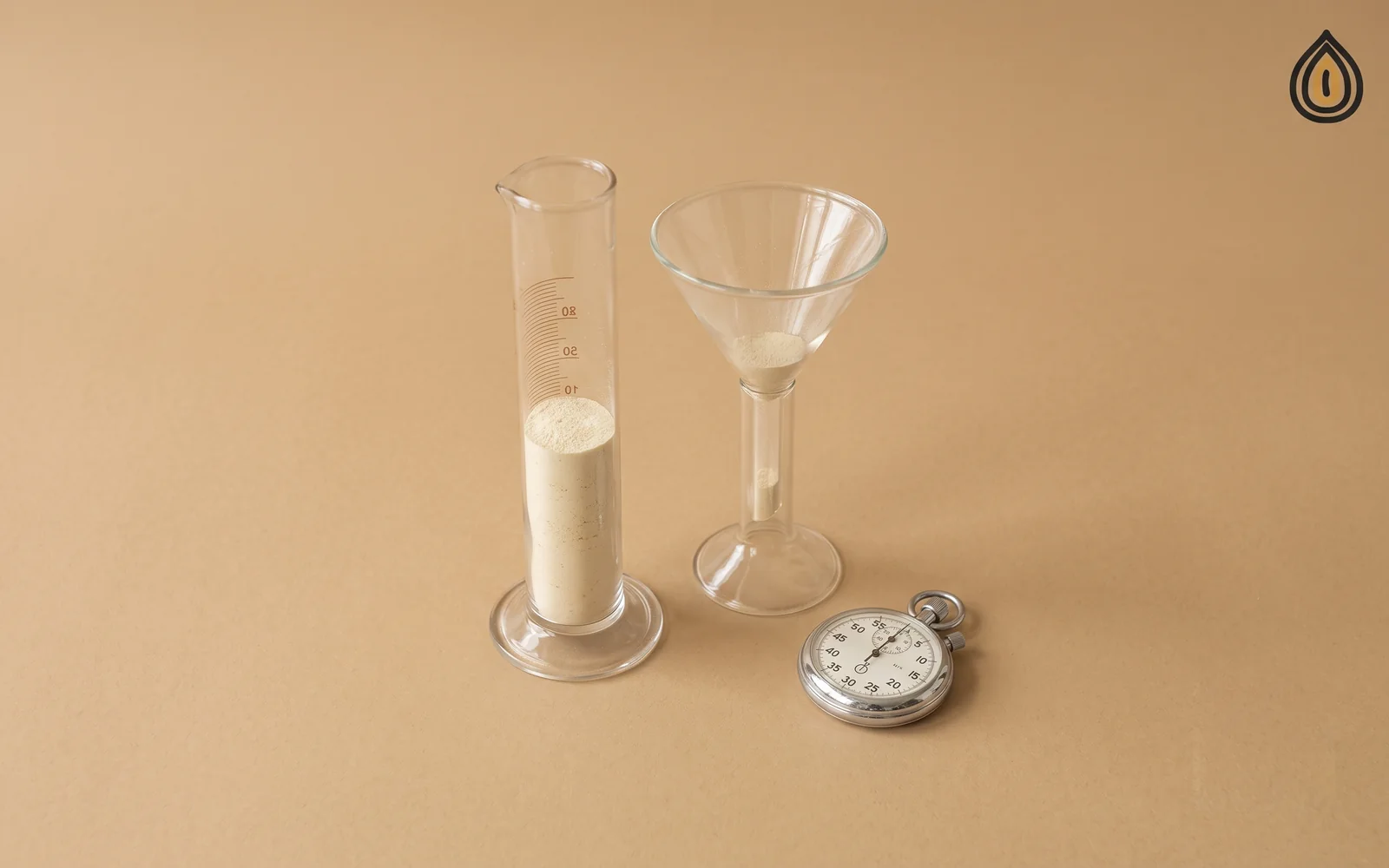
A powder that will not flow stops a line, and onion powder is one of the worst flowers in the spice store: hygroscopic, sugary, fine and sticky. What bulk density is and why loose and tapped differ, the values by cut, how to measure them, the physics of caking and bridging, anti-caking and clean-label options, hopper design, and the specification lines that keep a line running.
Dehydrated Onion in Spice Blends and Seasonings: Particle Size, Flow and Dosing
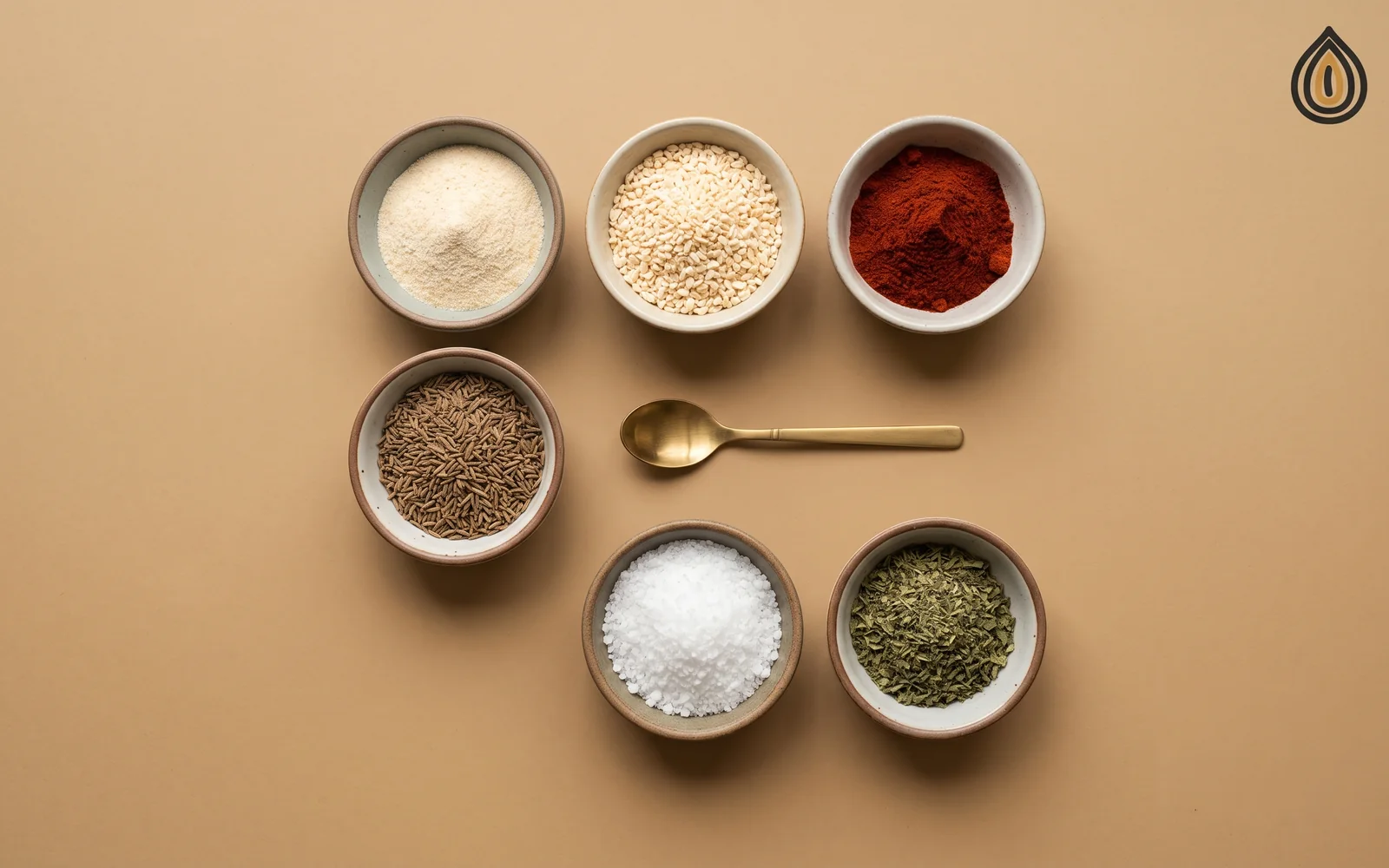
Onion is in more seasoning blends than any spice except salt and pepper, and it causes more blending problems than any of them: it segregates when its size does not match, cakes when its moisture drifts, and browns a pale blend. Which cut and mesh for curry powders, rubs, salt blends and shakers; matching size and density; moisture and anti-caking; dosing; toasted onion; tiers; a worked blend.
Dehydrated vs Fresh Onion: The Real Cost per Kilo of Onion in Your Recipe
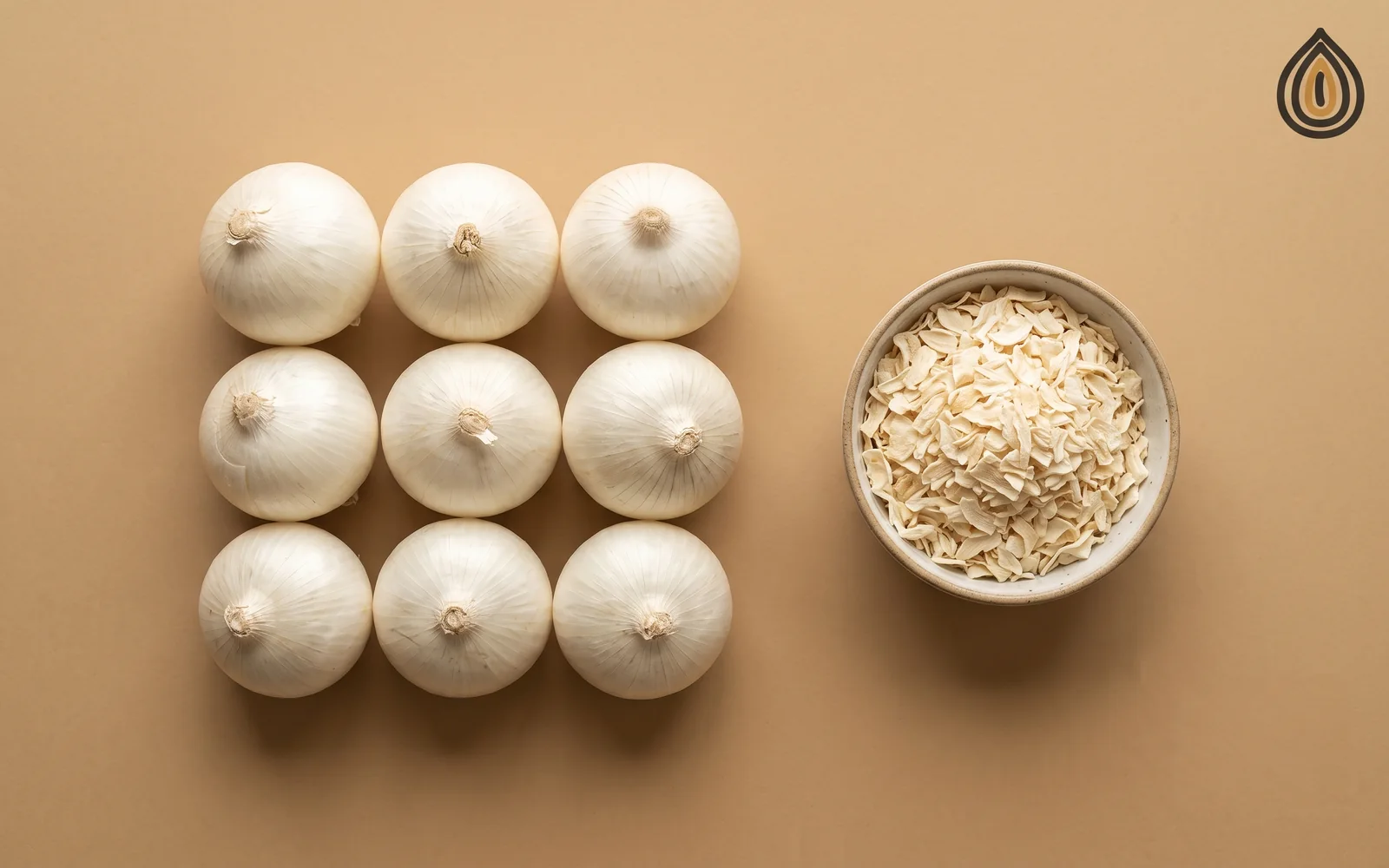
A kilogram of dried onion costs five times a kilogram of fresh and replaces eight or nine of them, which is where the comparison starts and where most people stop. The full comparison adds waste, peeling and chopping labour, cold storage, the price swings through the year, the microbiology a plant must manage and the consistency it does not get. The method, the numbers and four worked cases.
Private Label Dehydrated Onion: How White-Label Sourcing from India Works
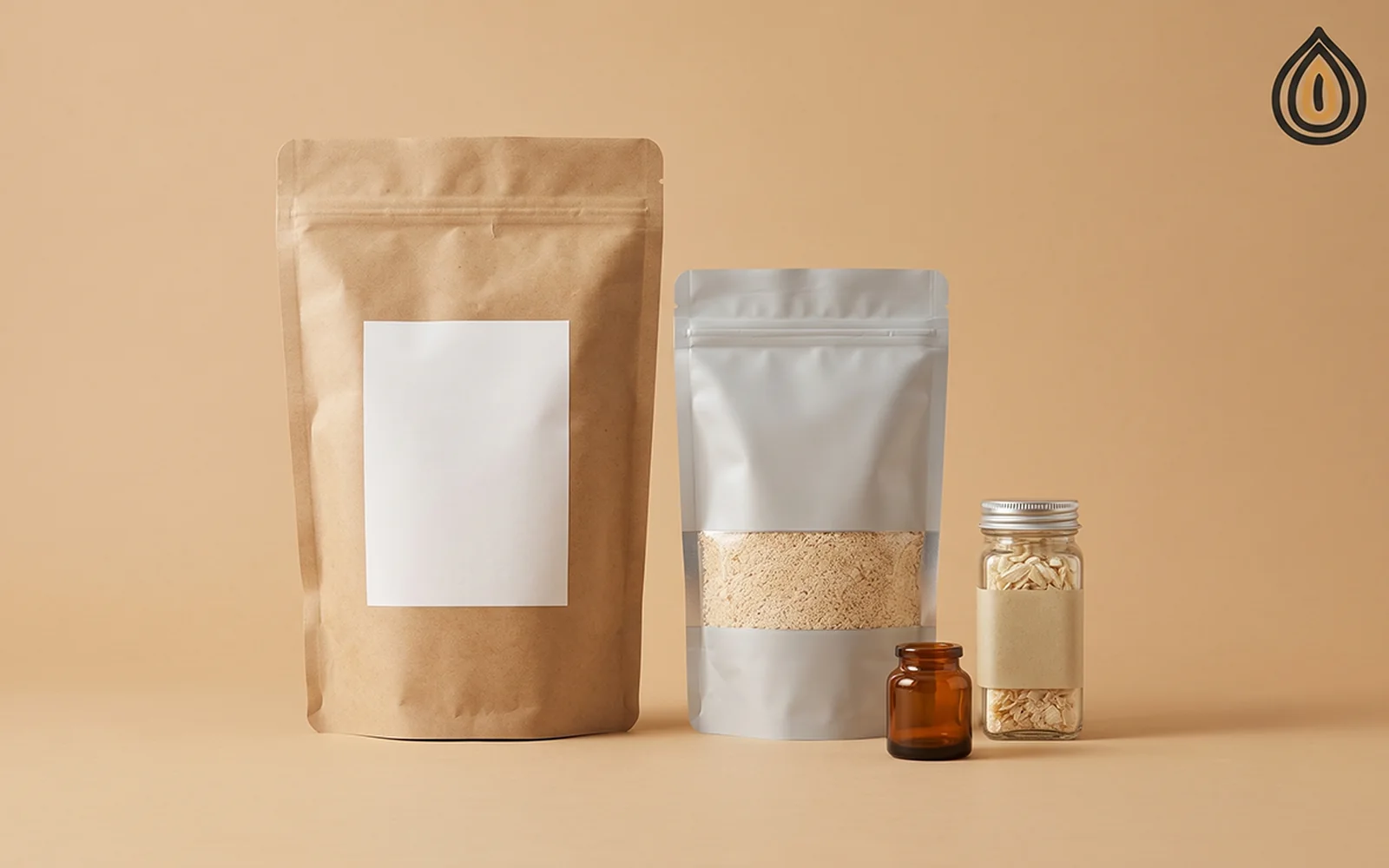
Most dehydrated onion sold under a European brand was dried in Mahuva by a plant whose name never appears. How white-label sourcing works at three levels, the branded bulk bag, the foodservice pack and the retail jar; what the plant does, what an exporter adds and what stays in Europe; costs and minimums; artwork and sign-off; the certification chain; and the contract points.
Dehydrated Onion in Meat Products: Sausages, Burgers and Marinades
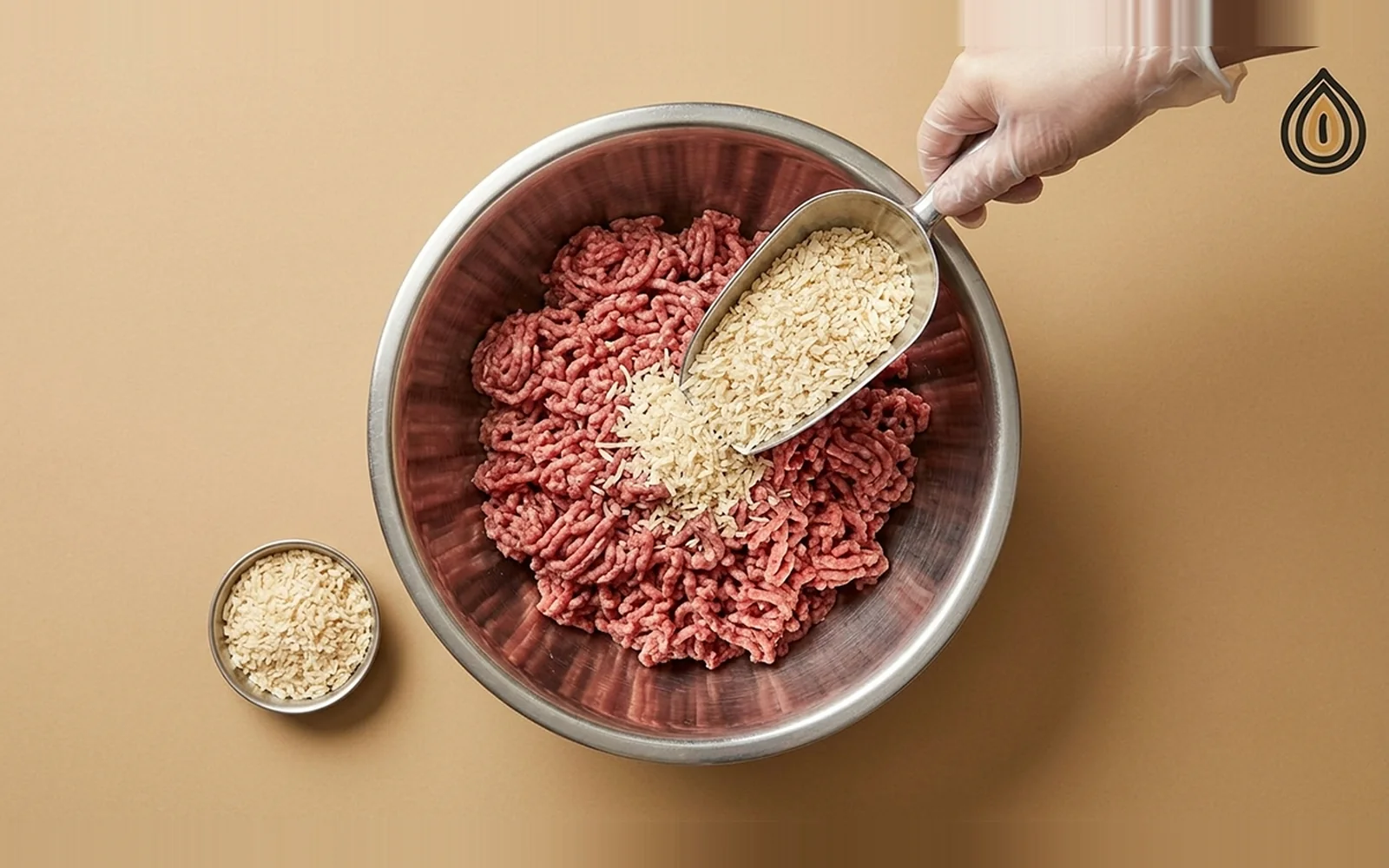
Meat processors use more dehydrated onion than any sector after soups, and they use it differently: it goes into a cold mixer with raw meat, hydrates from the meat's own water, must not show as hard pieces, and enters products whose microbiology is managed raw. Cut choice by product, dosing and hydration, water binding, cooking and smoking, tiers, specifications and a worked burger recipe.
Dehydrated Onion in Soups, Sauces and Gravies: Cut Choice, Rehydration and Dosing
Soups, sauces and gravies are the largest use of dehydrated onion in Europe and the one where cut, rehydration and dosing decide the result. Which cut for which product, water uptake by cut with times and temperatures, dosing rates and fresh equivalents, behaviour under dry blend, hot fill, retort and aseptic, the salt, acid, fat and starch interactions, tiers by process, common problems, and a worked onion soup mix.
How Dehydrated Onion Is Made: From Field to Flakes in Eight Steps
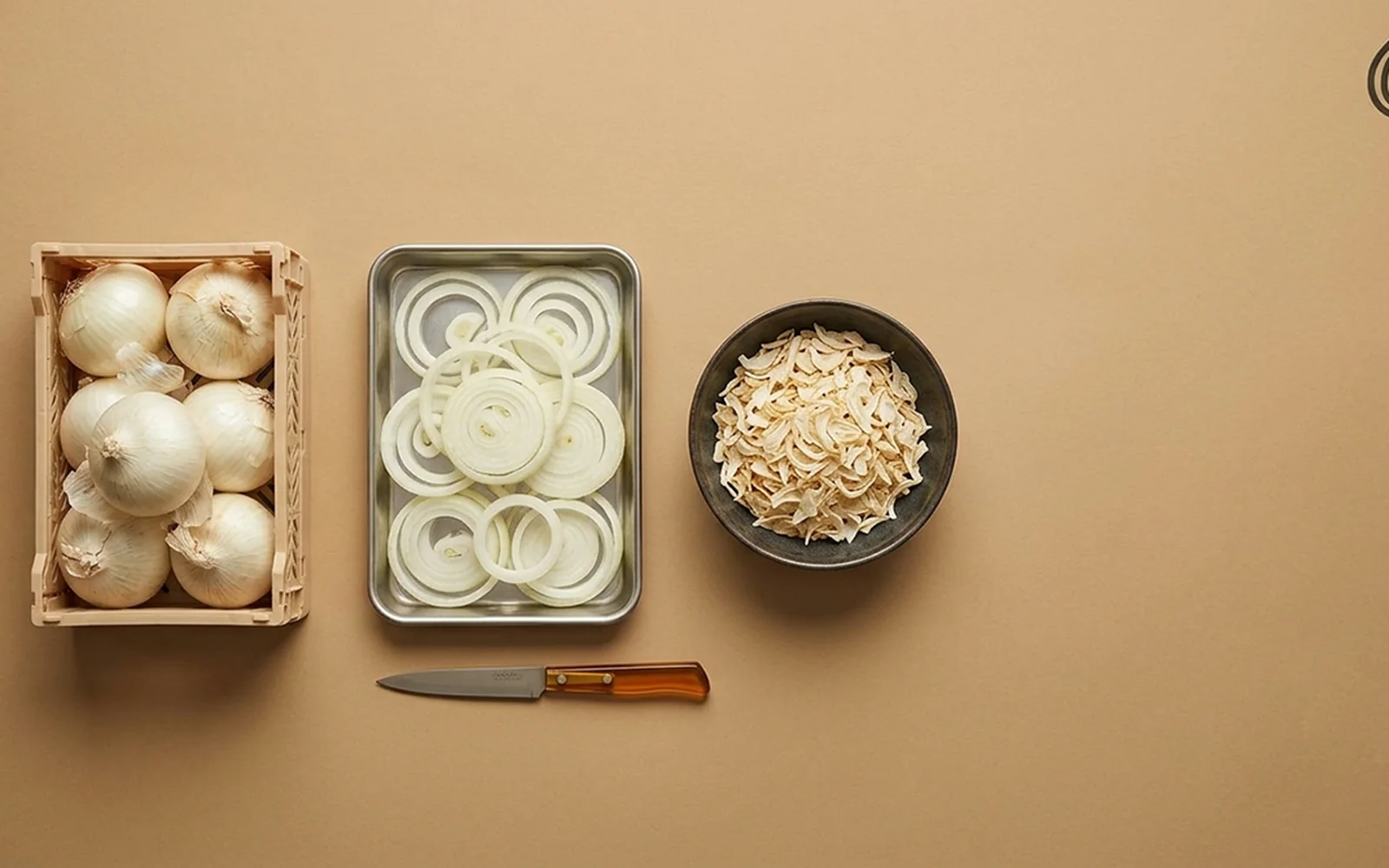
Eight steps from a cured bulb to a sealed, coded bag, with the numbers at each one: 100 kilograms of fresh onion to 11 of dry, the belt dryer's temperatures and hours, the 6 to 9 kilowatt-hours that drying takes, sorting, steam treatment for the low-bacterial grades, metal detection and release. Plus which defect comes from which step and the questions to ask a plant at each one.
Dehydrated Onion in Snack Seasoning: Granules, Powder and Application Rates
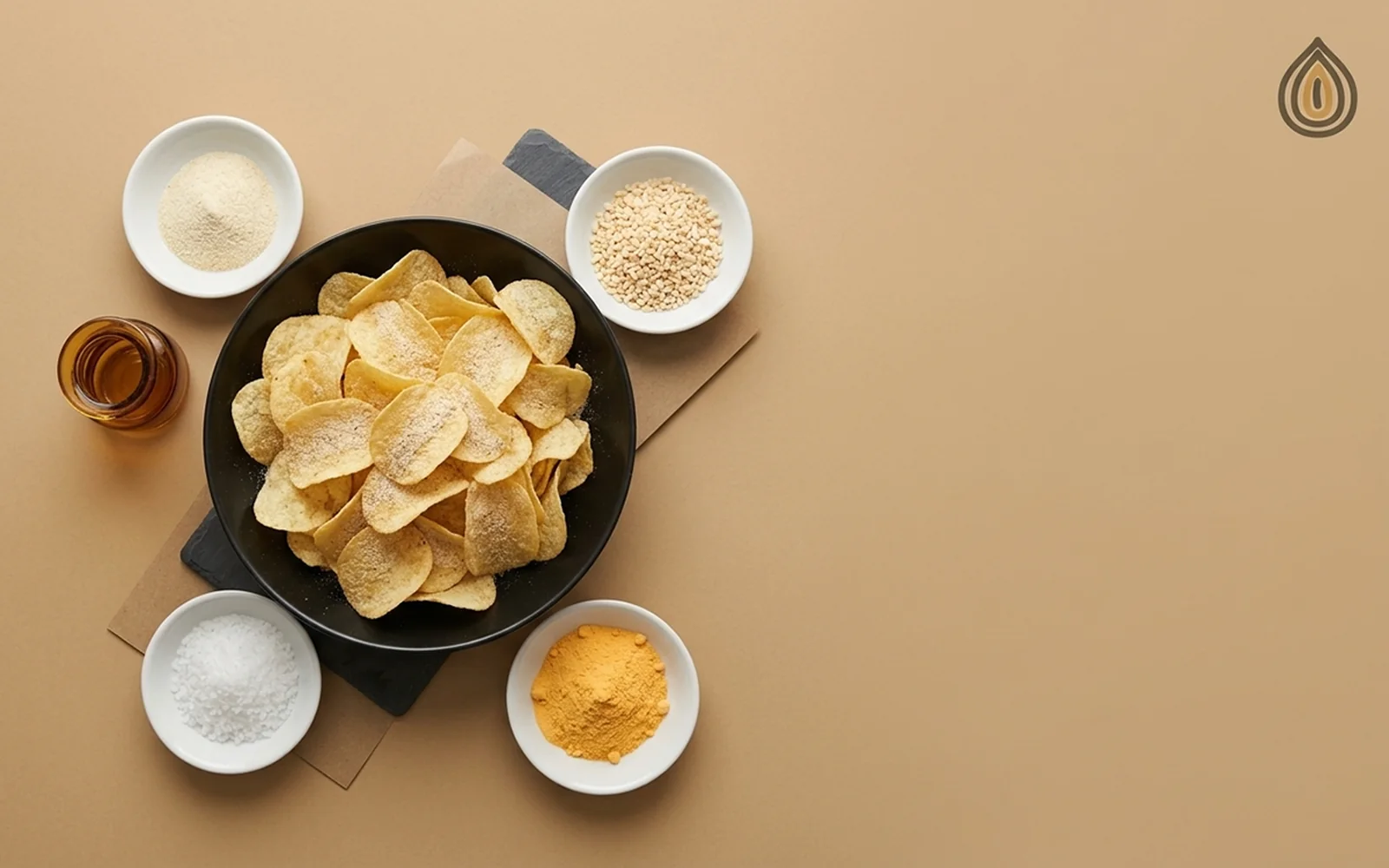
Onion is in more snack seasonings than any flavour but salt, at 3 to 25 percent of the blend. Which cut carries it for topical, slurry and in-dough use, rates by profile with worked examples, particle size against dusting and adhesion, caking in salt blends, natural, toasted and red options, the microbiology question topical seasoning raises, labelling, cost per tonne and a trial protocol.
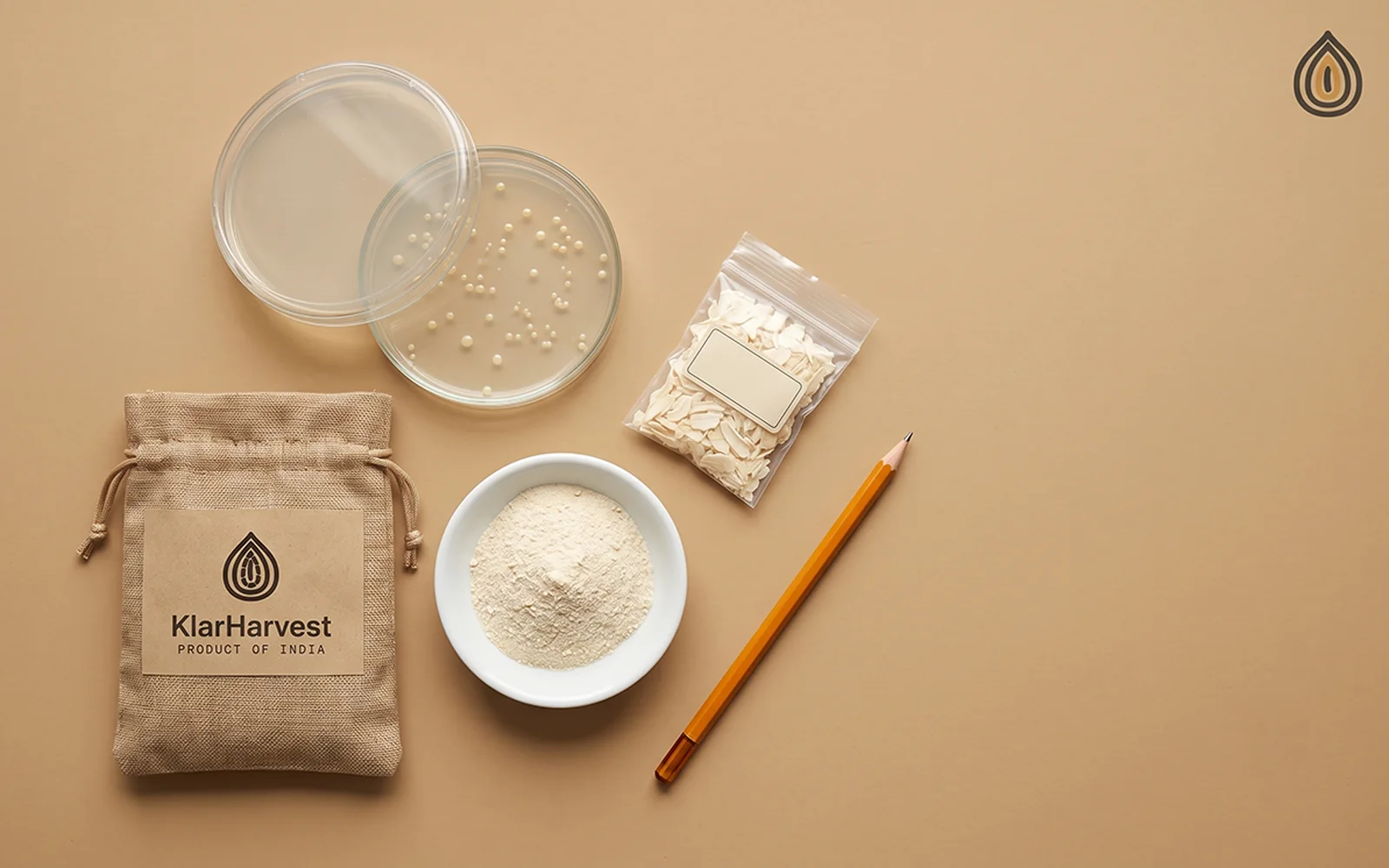
Microbiology in Dehydrated Onion: TPC, Yeast and Mould, E. coli and Salmonella Limits
A product at 5 percent moisture is not sterile: drying leaves the spores, and a standard onion powder carries a few hundred thousand per gram, acceptable in a soup and not in a dip. Where the count comes from, each parameter with typical values, the three tiers and their limits, the pathogen lines that never change, steam treatment, ISO methods, sampling, and the one question that decides the tier.
Get a Dehydrated Onion Quote Within One Business Day
Product, cut size, quantity, destination port - that's all we need to start. You'll receive a written quotation with full specifications from a dehydrated onion exporter, not a one-line price.
info@klarharvest.com · WhatsApp +91 97371 01599 · Bhavnagar, Gujarat, India
Samples
Request a Sample
200-500 g per product from a current lot, dispatched by courier with the specification sheet and the sample lot's lab report.
A complete written quotation - specification sheet, price with freight shown separately, and lead time - within one business day.
The complete specification sheet as a PDF - cut size and sieve range, moisture, microbiology tiers, packing options and container loads - sent to your e-mail within one business day.
Thank you - your sample request is in. You'll have our written reply with dispatch details within one business day, and the parcel ships by courier with the specification sheet and the lot's lab report.
Thank you - your inquiry is in. You'll have a complete written quotation - specification sheet, price with freight shown separately, and lead time - within one business day.
Thank you - the specification sheet is on its way. You'll have the PDF in your inbox within one business day.