Water Activity in Dehydrated Onion: The Number Behind Shelf Life
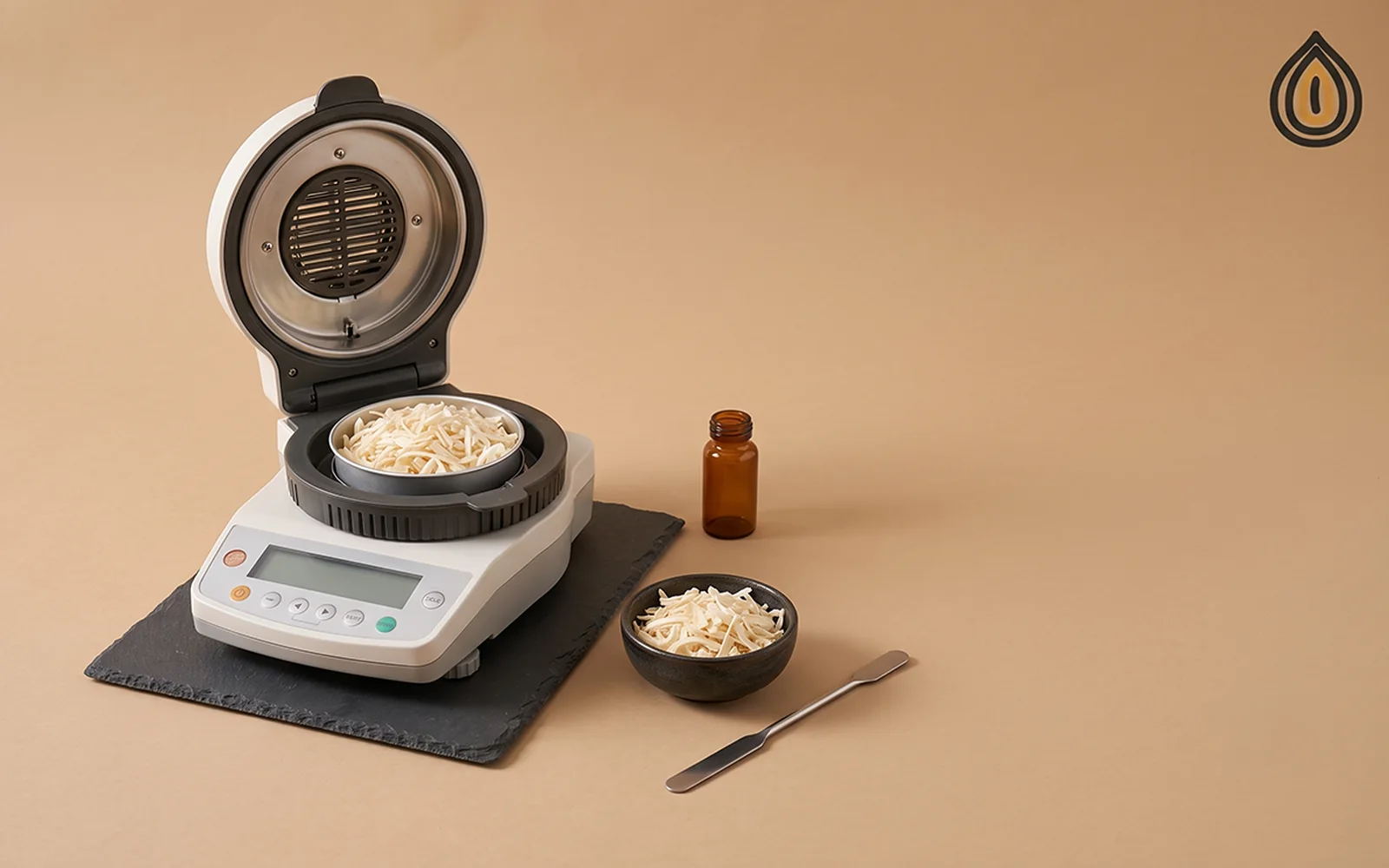
Moisture says how much water a product holds; water activity says how much of it is available to microbes, caking and browning, and it is the better predictor of shelf life. Why 5 percent moisture in onion is 0.3 aw, the thresholds at which mould, caking and browning start, the isotherm that links the two numbers, how aw is measured and specified, and how to use it in a blend.
Low Bacterial and Extra Low Bacterial Dehydrated Onion: Steam Treatment Explained
Standard dehydrated onion carries up to half a million bacteria per gram and is safe in anything cooked; a dip, a shaker or a raw sausage needs less. The three tiers and their counts, how steam treatment takes a lot from standard to extra low without chemicals, what it costs in colour, flavour and money, validation, the alternatives, who needs which tier, and how to specify it.
Bulk Density and Flowability of Onion Powder and Granules in Production Lines
A powder that will not flow stops a line, and onion powder is one of the worst flowers in the spice store: hygroscopic, sugary, fine and sticky. What bulk density is and why loose and tapped differ, the values by cut, how to measure them, the physics of caking and bridging, anti-caking and clean-label options, hopper design, and the specification lines that keep a line running.
Common Quality Defects in Dehydrated Onion and How to Prevent or Reject Them
Every defect a buyer will find in a bag of dehydrated onion has a cause between the field and the warehouse, and most have a fix. The full catalogue, browning, scorched pieces, black specks, skin, foreign matter, fines, caking, off-odour, pink admixture, high counts and short weight, with where each comes from, the limits, the inspection, and when to accept, downgrade or reject.
Dehydrated Onion in Spice Blends and Seasonings: Particle Size, Flow and Dosing
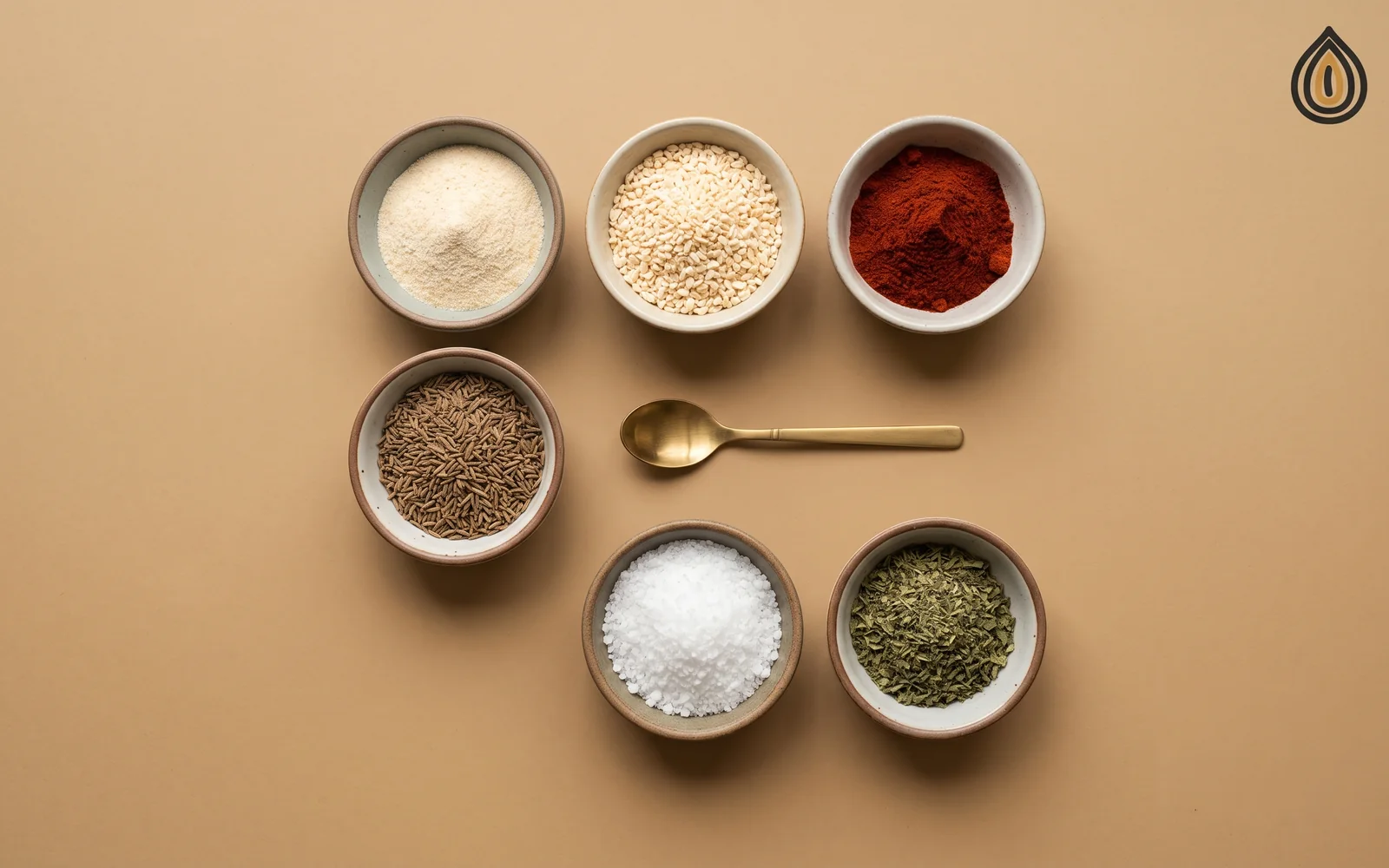
Onion is in more seasoning blends than any spice except salt and pepper, and it causes more blending problems than any of them: it segregates when its size does not match, cakes when its moisture drifts, and browns a pale blend. Which cut and mesh for curry powders, rubs, salt blends and shakers; matching size and density; moisture and anti-caking; dosing; toasted onion; tiers; a worked blend.
Sulphites in Dehydrated Onion: Why They Are Used, EU Limits and Sulphite-Free Options
Sulphite kept dried onion white for sixty years; the allergen label ended that for European buyers. What sulphites do in onion, how a plant applies them and what residue stays, the EU additive and allergen rules and the 10 mg/kg threshold, other markets, why the standard test gives false positives on onion, how plants keep onion white without it, cross-contact risk, who still wants sulphited product, and the specification wording.
Dehydrated Onion in Soups, Sauces and Gravies: Cut Choice, Rehydration and Dosing
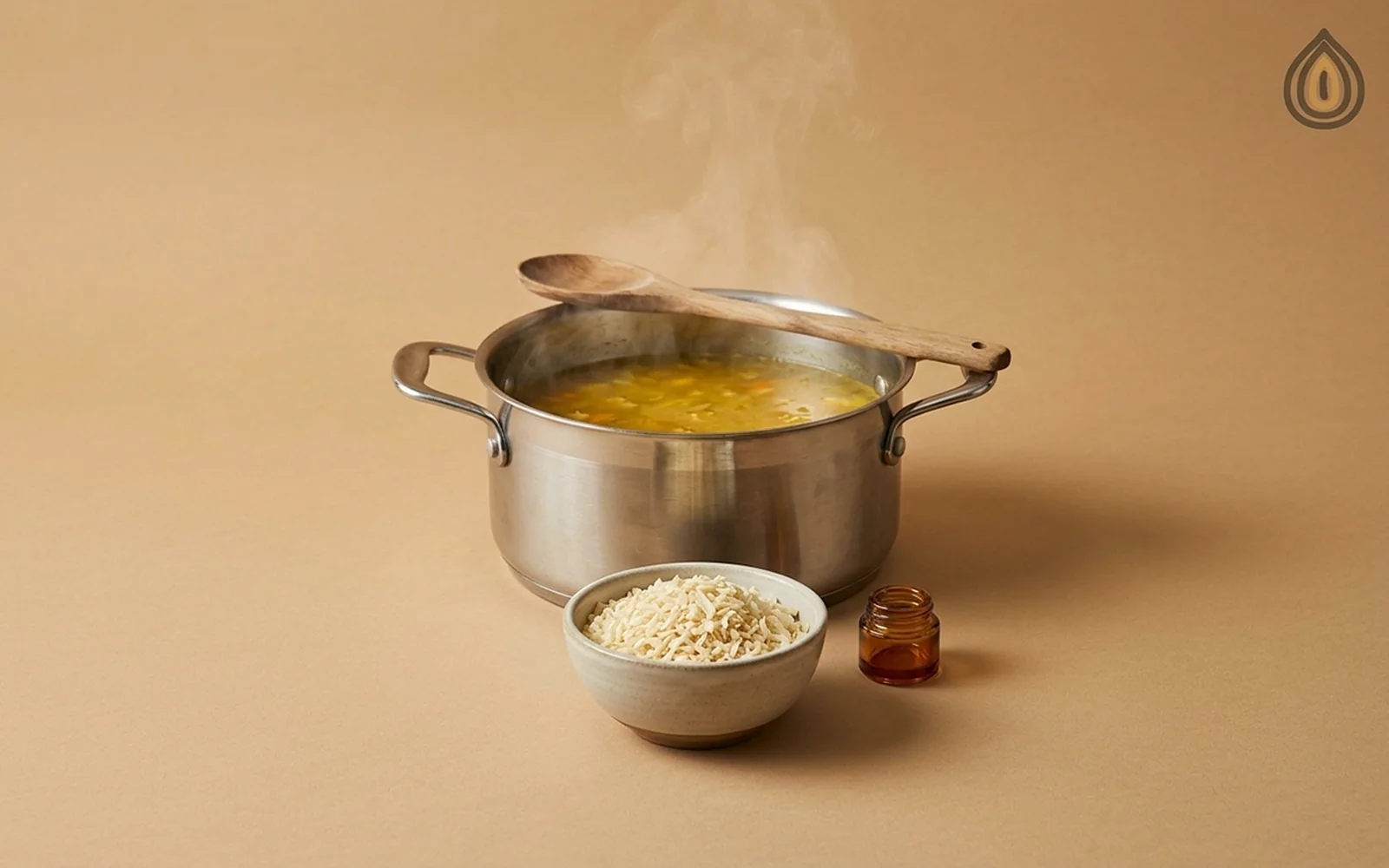
Soups, sauces and gravies are the largest use of dehydrated onion in Europe and the one where cut, rehydration and dosing decide the result. Which cut for which product, water uptake by cut with times and temperatures, dosing rates and fresh equivalents, behaviour under dry blend, hot fill, retort and aseptic, the salt, acid, fat and starch interactions, tiers by process, common problems, and a worked onion soup mix.
Mesh Size in Dehydrated Onion: From 8-20 mm Flakes to 100-Mesh Powder
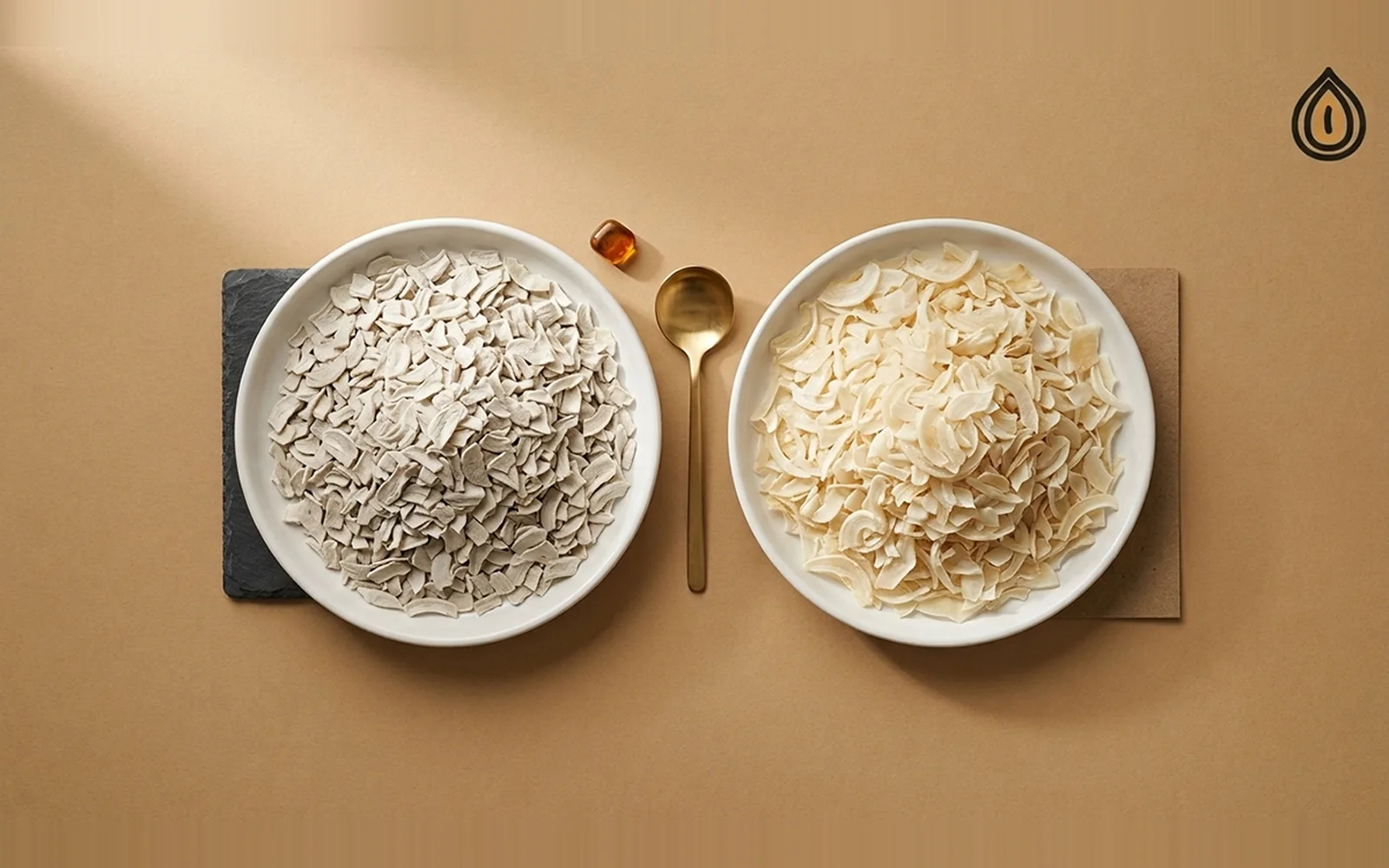
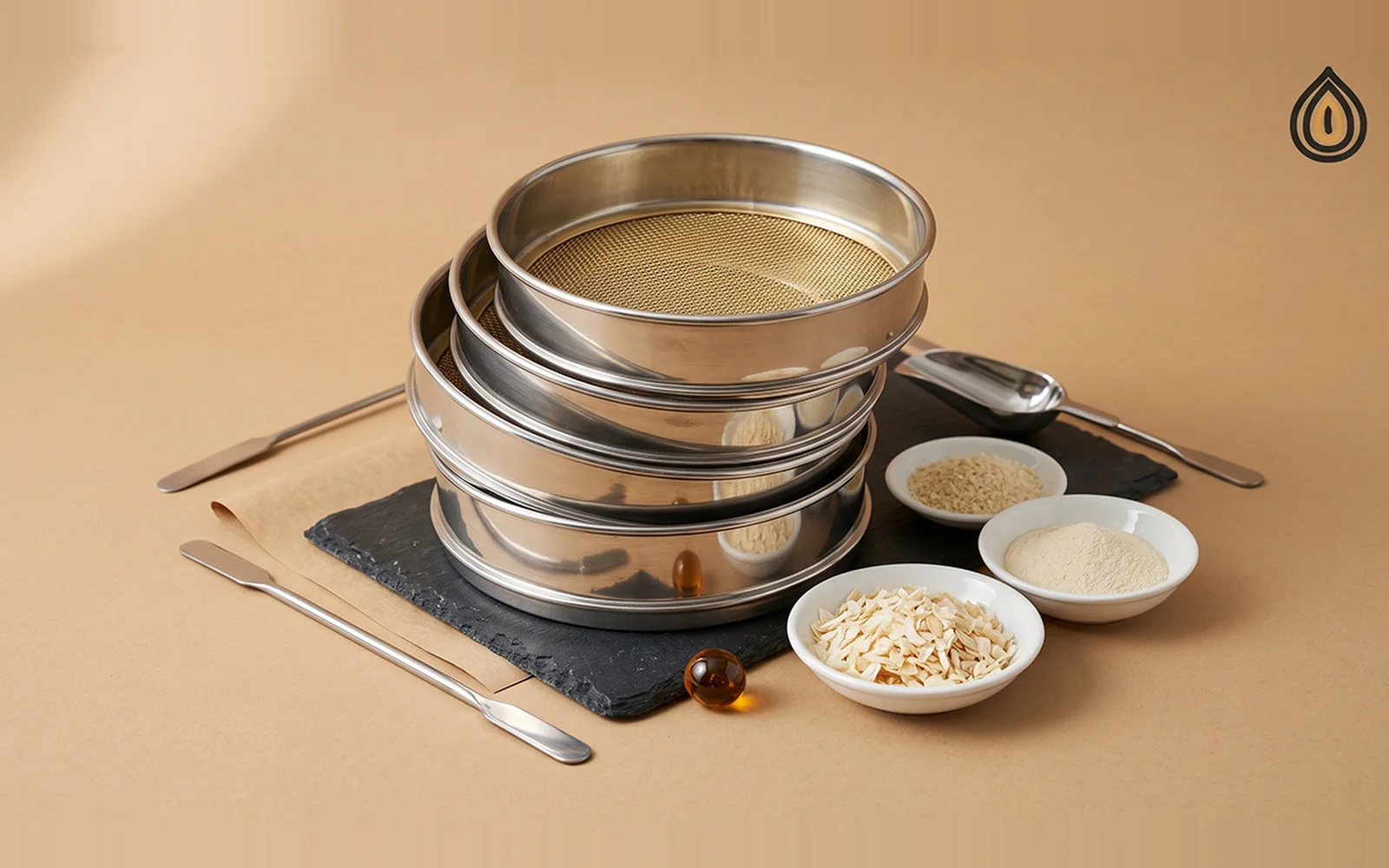
Mesh is the number that turns a cut name into a specification. What a mesh number means and how it converts to millimetres and microns, the standard bands for every cut in both units, how to read a sieve analysis, the custom bands snack and blend makers ask for, and the wording that removes the argument.
Dehydrated Onion in Snack Seasoning: Granules, Powder and Application Rates
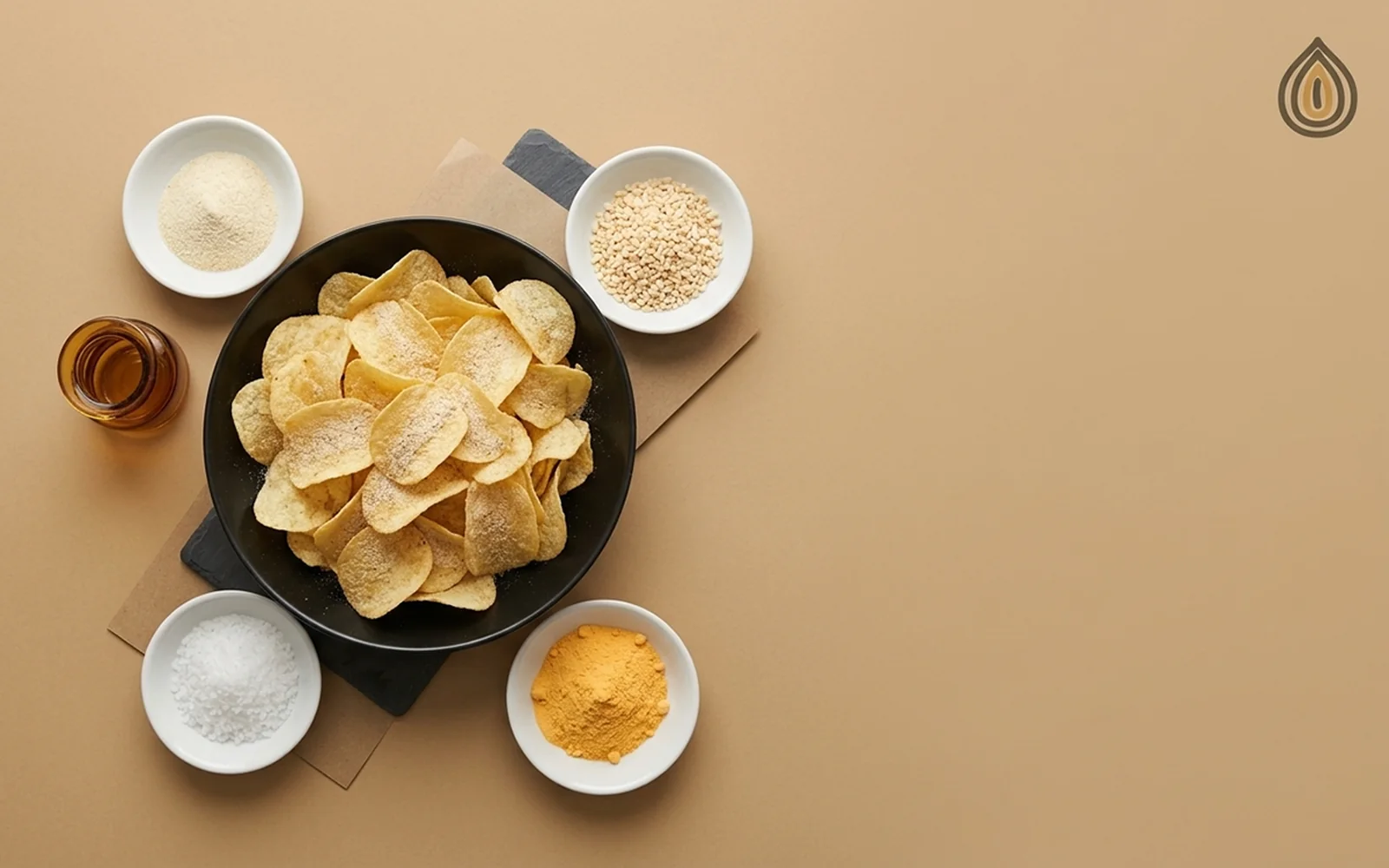
Onion is in more snack seasonings than any flavour but salt, at 3 to 25 percent of the blend. Which cut carries it for topical, slurry and in-dough use, rates by profile with worked examples, particle size against dusting and adhesion, caking in salt blends, natural, toasted and red options, the microbiology question topical seasoning raises, labelling, cost per tonne and a trial protocol.
Microbiology in Dehydrated Onion: TPC, Yeast and Mould, E. coli and Salmonella Limits
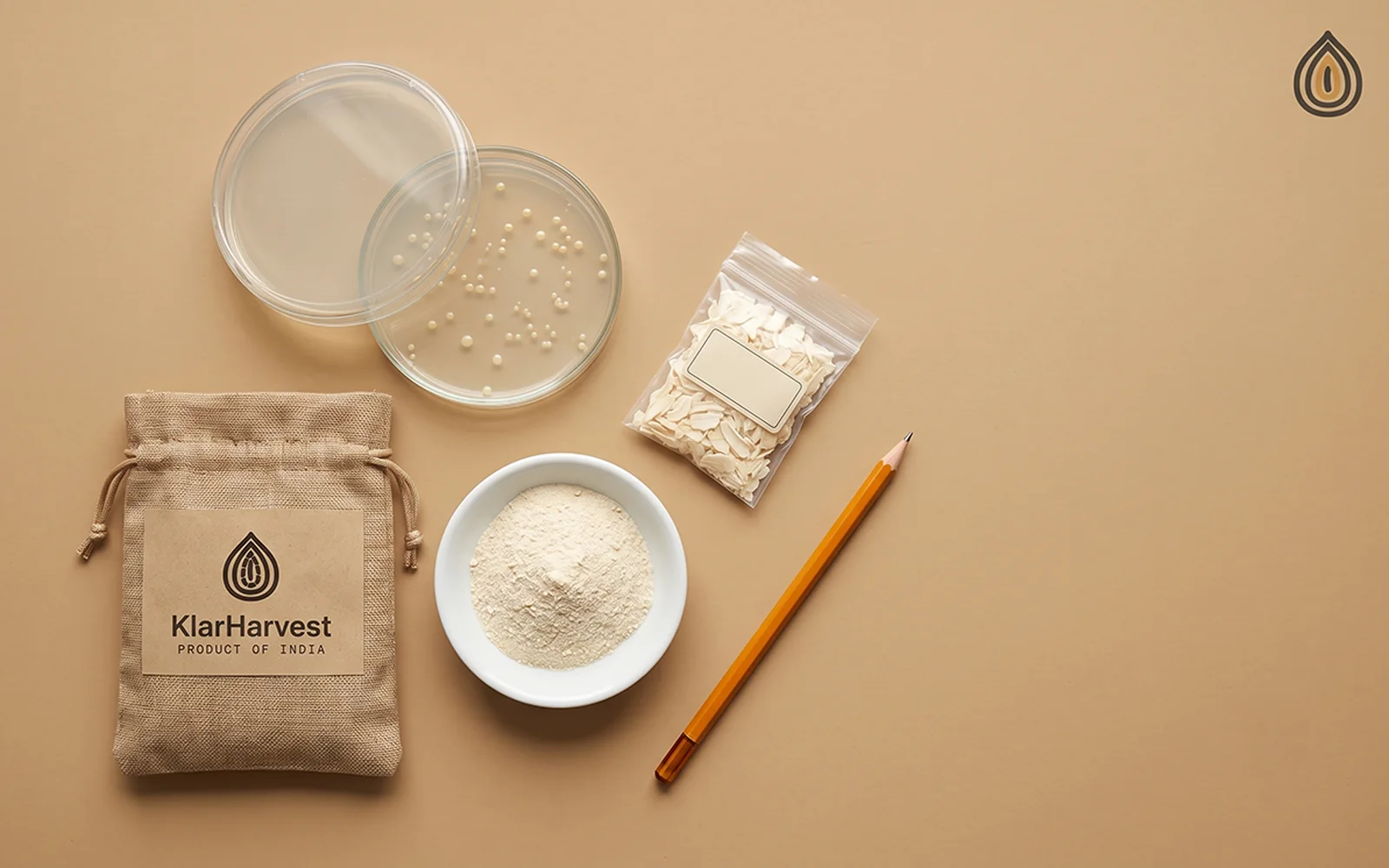
A product at 5 percent moisture is not sterile: drying leaves the spores, and a standard onion powder carries a few hundred thousand per gram, acceptable in a soup and not in a dip. Where the count comes from, each parameter with typical values, the three tiers and their limits, the pathogen lines that never change, steam treatment, ISO methods, sampling, and the one question that decides the tier.
Dehydrated Onion Shelf Life: Storage Conditions, Packaging and Caking Prevention
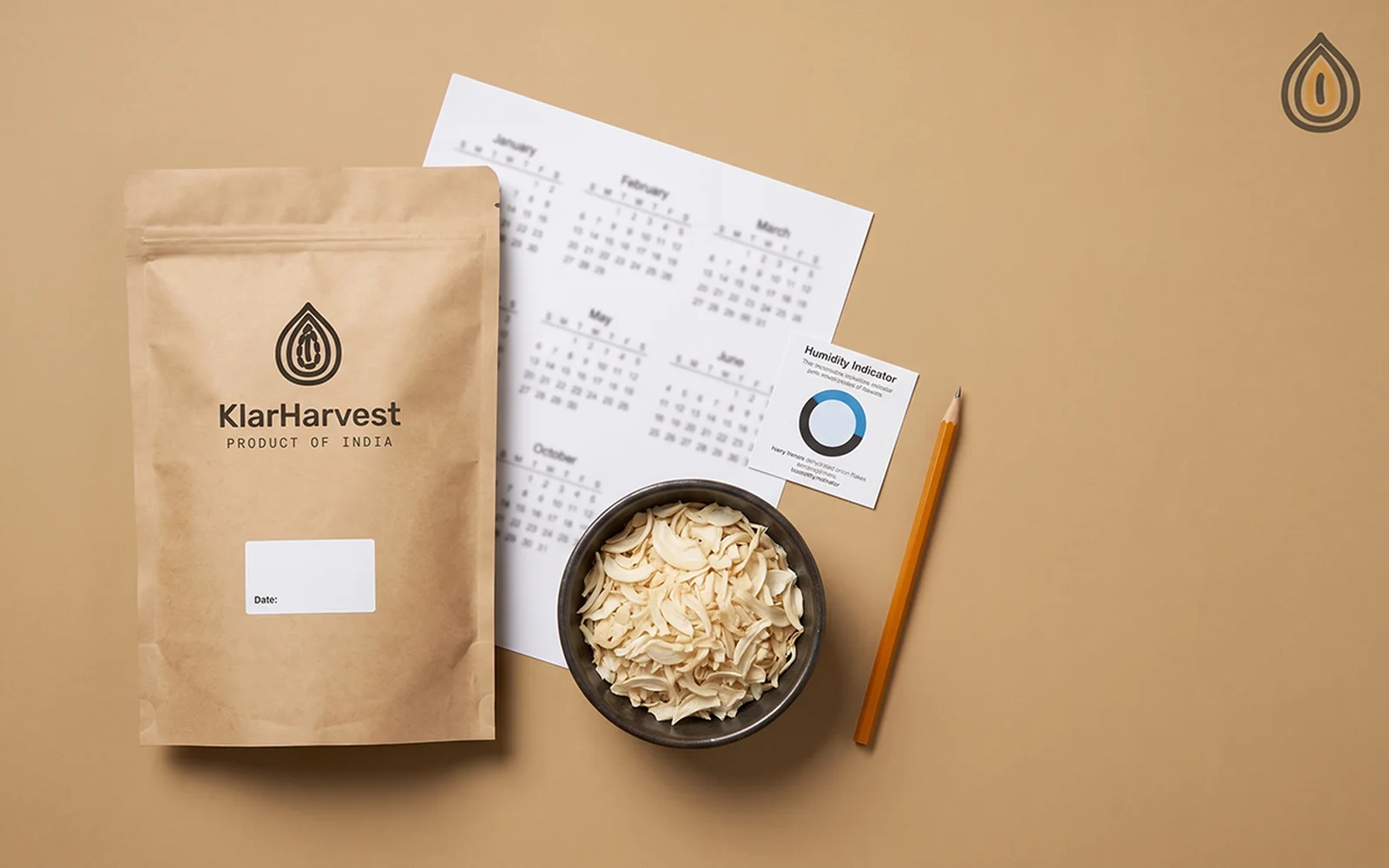
Dried onion does not go off; it goes downhill, and the slope is set by how it is kept. What the 18 or 24 month declaration means, the three ageing mechanisms, ageing by cut and colour, the four storage numbers that matter, liners and bags, rotation, pests, opened bags and caking on the production floor, aged stock, and a practical-life table by conditions.
Dehydrated Onion Moisture Content: Why 6 % Matters and How It Is Tested
Six percent is where safety, colour and flow all turn favourable, and every percent above it is water bought at the price of onion. What moisture means, how it relates to water activity and mould, what happens at 7, 8 and 10 percent, how the four test methods disagree, how to test on arrival and claim, and a shelf-life table by moisture and temperature.
Get a Dehydrated Onion Quote Within One Business Day
Product, cut size, quantity, destination port - that's all we need to start. You'll receive a written quotation with full specifications from a dehydrated onion exporter, not a one-line price.
info@klarharvest.com · WhatsApp +91 97371 01599 · Bhavnagar, Gujarat, India
Samples
Request a Sample
200-500 g per product from a current lot, dispatched by courier with the specification sheet and the sample lot's lab report.
A complete written quotation - specification sheet, price with freight shown separately, and lead time - within one business day.
The complete specification sheet as a PDF - cut size and sieve range, moisture, microbiology tiers, packing options and container loads - sent to your e-mail within one business day.
Thank you - your sample request is in. You'll have our written reply with dispatch details within one business day, and the parcel ships by courier with the specification sheet and the lot's lab report.
Thank you - your inquiry is in. You'll have a complete written quotation - specification sheet, price with freight shown separately, and lead time - within one business day.
Thank you - the specification sheet is on its way. You'll have the PDF in your inbox within one business day.